Understanding the Image to 3D Process
The advent of advanced technologies has allowed for remarkable transformations in diverse fields, particularly in 3D modeling. The ability to convert 2D images into engaging 3D models is revolutionizing various industries, including gaming, product design, and advertising. The Image to 3D process streamlines creative workflows and enhances visual storytelling, making it easier than ever for individuals and businesses to bring their concepts to life.
What Is Image to 3D Technology?
Image to 3D technology involves converting traditional 2D images, such as photographs, sketches, or illustrations, into three-dimensional models. Through the use of various algorithms, software, and artificial intelligence, users can create detailed 3D representations that can be utilized in multiple applications, from virtual reality experiences to 3D printing. The technology has gained traction due to its ability to simplify complex modeling processes and reduce the time required to create 3D assets.
Benefits of Converting Images to 3D Models
- Enhanced Visualization: 3D models provide a more accurate and immersive representation of concepts, fostering better understanding and engagement.
- Time Efficiency: Automated conversion tools significantly reduce the time taken to develop 3D models, enabling faster project turnaround.
- Cost Reduction: By minimizing the need for extensive manual modeling, businesses can cut costs and allocate resources more effectively.
- Creative Flexibility: Artists and designers can experiment freely with different concepts, knowing they can easily generate models from their ideas.
Common Tools and Software for Image to 3D
Several tools are available in the market for transforming images into 3D objects. Popular platforms include:
- Meshy AI: A user-friendly tool that converts 2D images into 3D models seamlessly.
- Sloyd AI: Known for its fast conversion speeds, Sloyd AI supports various image types for quick 3D generation.
- Tripo AI: This platform allows users to create detailed 3D models without needing extensive 3D design experience.
- HexaGen: An online generator that combines multiple angles to produce realistic models from images.
Step-by-Step Guide to Creating 3D Models from Images
Selecting the Right Image for Conversion
The first step in the Image to 3D process is selecting an appropriate image. High-quality images with clear subjects and minimal noise work best. Aim for images with distinct outlines and colors, as these features aid in the conversion process.
Preparing Your Image for 3D Modeling
Image preparation plays a crucial role in the quality of the 3D output. Users should consider adjusting brightness, contrast, and resolution to enhance details. Additionally, removing any distractions from the background can help the software focus on the main subject during conversion.
Utilizing Software for Image to 3D Conversion
Once the image is prepared, the next step involves choosing the right software for conversion. Each tool offers unique functionalities, so it’s essential to explore options and select one that meets your specific needs. Following the tool’s guidelines, upload your image and initiate the conversion process. Many platforms also offer customization options for further tweaking the resulting 3D model.
Challenges and Solutions in Image to 3D Conversion
Common Obstacles in 3D Modeling
While converting images to 3D models is an exciting process, it can pose challenges. Typical obstacles include poor image quality, complex shapes, and software limitations. Users should ensure images are of the highest quality and compatible with the selected software to overcome these issues.
Best Practices to Enhance Image Quality
- Choose High-Resolution Images: The clearer and more detailed the image, the better the output will be.
- Use Clear Backgrounds: Simplified backgrounds help the software identify the primary subject more effectively.
- Consider Multiple Angles: Providing different angles of the subject can improve the realism of the 3D model generated.
Technical Issues and Their Resolutions
Technical glitches can disrupt the process of converting images into 3D models. Common problems include lagging software or failure to generate the model. Keeping software updated and maintaining a stable internet connection can help minimize these disruptions. Additionally, accessing support resources or community forums can provide valuable insights and quick resolutions to technical challenges.
Real-World Applications of Image to 3D Technology
Image to 3D in Gaming and Animation
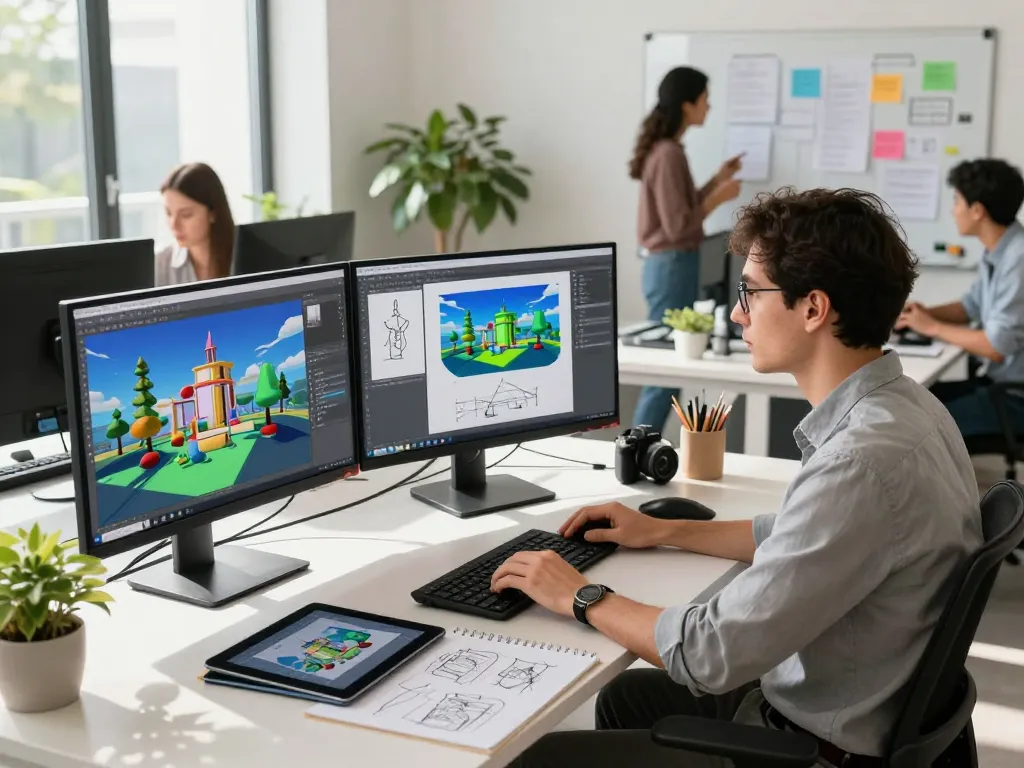
One of the most prominent applications of Image to 3D technology is in gaming and animation. Developers use 3D models to create immersive game environments and characters, enhancing player experiences. By transforming 2D artwork into dynamic 3D assets, game designers can create visually stunning worlds that captivate audiences.
Using Image to 3D for Product Prototyping
Industries such as manufacturing and retail leverage Image to 3D technology for rapid prototyping. By converting product sketches or designs into 3D models, companies can visualize products before committing to production. This approach reduces design errors and allows for faster feedback from stakeholders.
Commercial Uses of 3D Models in Advertising
Advertising agencies utilize 3D models to create compelling visual content that engages consumers. By presenting products in 3D, companies can offer a more interactive experience, showcasing details that might be lost in traditional advertising methods. This application is particularly effective in e-commerce, where 3D models can help customers visualize products better.
The Future of Image to 3D Technology in 2026 and Beyond
Emerging Trends in 3D Modeling Software
As technology continues to evolve, so does the realm of 3D modeling. Emerging trends include the integration of augmented reality and virtual reality into conventional 3D modeling tools, allowing for even more interactive experiences. Moreover, advancements in AI and machine learning will enhance the accuracy and efficiency of image conversion processes.
Impact of AI on Image to 3D Conversion
The influence of artificial intelligence cannot be overstated in the field of 3D modeling. AI algorithms are becoming increasingly capable of recognizing complex patterns and details within images, leading to more accurate and realistic 3D models. As AI technology advances, users can expect simpler processes and improved output quality.
Preparing for the Future: Skills and Tools Needed
To stay relevant in the evolving landscape of 3D modeling, individuals must embrace lifelong learning. Familiarity with the latest tools, software, and techniques will be essential. Moreover, gaining a solid understanding of the principles of 3D design will empower users to make the most of Image to 3D technology, ensuring they can fully leverage its potential in their creative endeavors.
What software can I use for Image to 3D conversion?
A wide range of software options are available, from free online tools to professional-grade applications. Popular choices include Meshy AI, Sloyd AI, and Tripo AI, each offering specific features tailored to various user needs.
Is Image to 3D conversion user-friendly for beginners?
Many modern tools are designed with user-friendliness in mind. They often include intuitive interfaces and support resources that make it easier for beginners to navigate the conversion process.
How long does it take to convert images to 3D models?
The time required for conversion varies depending on the software and the complexity of the image. Generally, basic conversions can take mere seconds, while more detailed or customized models may require additional time.
What industries benefit from Image to 3D technology?
Numerous industries, including gaming, retail, architecture, and education, benefit from Image to 3D technology. Each sector applies this innovative process to enhance creativity, efficiency, and visual communication.
Can I use free tools for Image to 3D conversion?
Yes, several free tools are available that can effectively convert images to 3D models. While they may have limitations compared to paid versions, they can still serve as great starting points for novices.