
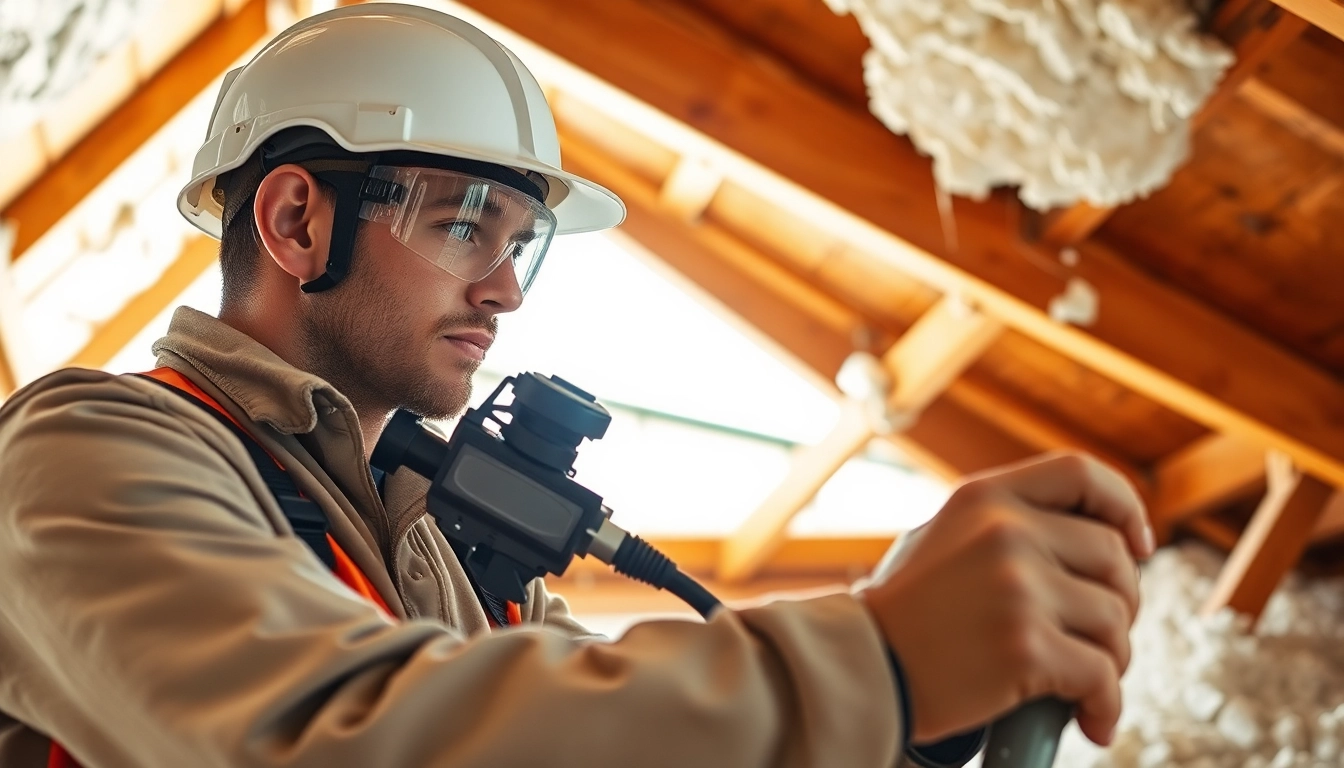
Understanding the Need for Professional Spray Foam Removal
What is Spray Foam?
Spray foam insulation, a popular choice for homeowners seeking to enhance energy efficiency, is a product created from a mixture of chemicals that expand upon application. When sprayed, the foam expands and hardens to form a solid layer that seals gaps and improves insulation. While it offers excellent benefits for heat retention in buildings, it can also lead to significant issues if not applied or removed correctly. This is where professional spray foam removal comes into play.
Common Problems Caused by Spray Foam
Despite its advantages, spray foam can sometimes cause problems. Issues like improper application can lead to uneven insulation, trapping moisture, or even compromising structural integrity. Over time, spray foam might degrade, releasing harmful chemicals into the home environment, including isocyanates, which can pose health risks. Furthermore, mold can develop in inadequately vented spaces, leading to serious health implications. Homeowners may find themselves in need of professional removal when these situations arise.
Why Hire Professionals for Removal?
Removing spray foam insulation is not a simple DIY task. Professionals possess the necessary experience and equipment to safely handle the materials, ensuring that the surrounding area remains uncontaminated. They follow specific protocols to safeguard both their health and the homeowner’s. Furthermore, experts can assess the space post-removal for any additional repairs or maintenance needed, ensuring your home returns to optimal safety and performance.
Steps Involved in Professional Spray Foam Removal
Inspection and Assessment
The first step in the removal process involves a thorough inspection of the foam application. Professionals assess the extent of the insulation, identify any potential complications, and determine the best removal strategies. They will often create a detailed report of their findings, thus enabling them to provide a clear scope of work and potential costs involved.
Preparation for Safe Removal
Before commencing the removal, it’s crucial to prepare both the area and the team. This includes sealing off the work zone to prevent contamination, ensuring proper ventilation, and gathering necessary safety gear such as masks, gloves, and protective eyewear. The use of high-powered vacuums and specialized tools ensures minimal disturbance during the removal process.
Executing the Removal Process
The actual removal involves carefully cutting away the foam insulation, taking care not to damage underlying structures or materials. Specialized equipment can help reduce dust and debris, ensuring a cleaner process. Once removed, the area must be cleaned and prepared for any needed repairs or different insulation options.
Choosing the Right Professionals for Spray Foam Removal
Qualifications and Experience to Consider
When selecting a professional for spray foam removal, it’s essential to assess their qualifications and experience. Look for certifications in hazardous material handling, as well as experience specifically related to spray foam insulation. Professionals should also be insured, which will protect you from liability in case of accidents during the removal process.
Evaluating Reviews and Testimonials
Online reviews and testimonials can provide insights into the reliability of a service provider. Check multiple platforms for feedback from previous clients, look for consistency in their service quality, and any complaints about health and safety standards. Engaging with previous customers can help you gauge the level of satisfaction they experienced with the company.
Cost Implications of Professional Services
The cost of professional spray foam removal can vary significantly based on the extent of insulation, labor, and any special equipment required. Understanding pricing upfront is crucial; reputable professionals will provide you with a detailed estimate after the initial assessment. Remember, investing in professional removal often saves money in the long run by preventing further damage.
Aftercare and Maintenance for Foam Removal Areas
Assessing and Repairing Damage
After spray foam has been removed, homeowners should assess the condition of the underlying structures. This may reveal damage that requires repair, such as rotting wood or weakened foundations. Professionals should provide recommendations for repairs and might offer additional services to restore the area to its original state.
Preventive Measures Against Reoccurrence
Once the removal and repairs are complete, preventative strategies should be implemented. This includes ensuring proper ventilation, checking for leaks, and upgrading insulation if necessary. Regular inspections can help catch potential issues before they escalate, maintaining the integrity of your home.
Best Practices for Home Maintenance
To maintain a healthy living environment post-removal, homeowners must adopt consistent maintenance practices. These include regular cleaning of ventilation systems, keeping areas dry to prevent moisture buildup, and scheduling periodic professional inspections. A proactive approach minimizes future risks associated with insulation and seals.
Frequently Asked Questions about Professional Spray Foam Removal
How long does the removal process take?
The duration of spray foam removal can vary based on the size of the area and the complexity of the job, typically ranging from a few hours to a couple of days.
Is professional spray foam removal safe for homeowners?
Yes, when performed by trained professionals using protective equipment and proper techniques, spray foam removal is generally safe for homeowners.
Can I perform spray foam removal myself?
While it is possible to remove spray foam yourself, it is not recommended due to safety hazards, risks of damage, and potential health concerns from exposure to chemicals.
What should I expect after the foam is removed?
After removal, you can expect to see either repairs needed to underlying materials or potential upgrades to insulation options, making the space more manageable and healthier.
How can I ensure the area is properly sealed after removal?
To ensure proper sealing, it’s essential to have a professional assess the area, confirm all gaps are sealed, and repair any vulnerabilities to prevent future insulation issues.