- Understanding Electric Stackers: What You Need to Know
- Assessing Your Needs: Choosing the Right Electric Stacker for Your Operations
- Top Models for 2026: Best Electric Stackers in Texas
- Maximizing Efficiency: Best Practices for Electric Stacker Use
- Future Trends in Material Handling: What to Expect Beyond 2026
Understanding Electric Stackers: What You Need to Know
In the ever-evolving landscape of warehouse operations, electric stackers have emerged as indispensable tools for enhancing efficiency and productivity. These versatile machines are designed to handle various lifting tasks and are particularly well-suited for modern warehousing needs. Understanding the nuances of electric stackers is crucial for businesses aiming to invest in the right equipment for their operations. Whether you’re looking to upgrade your fleet or make your first purchase, knowing the essential information about electric stackers is vital. When exploring options, Best electric stacker in Texas can provide comprehensive insights into the best choices available in the market.
What is an Electric Stacker?
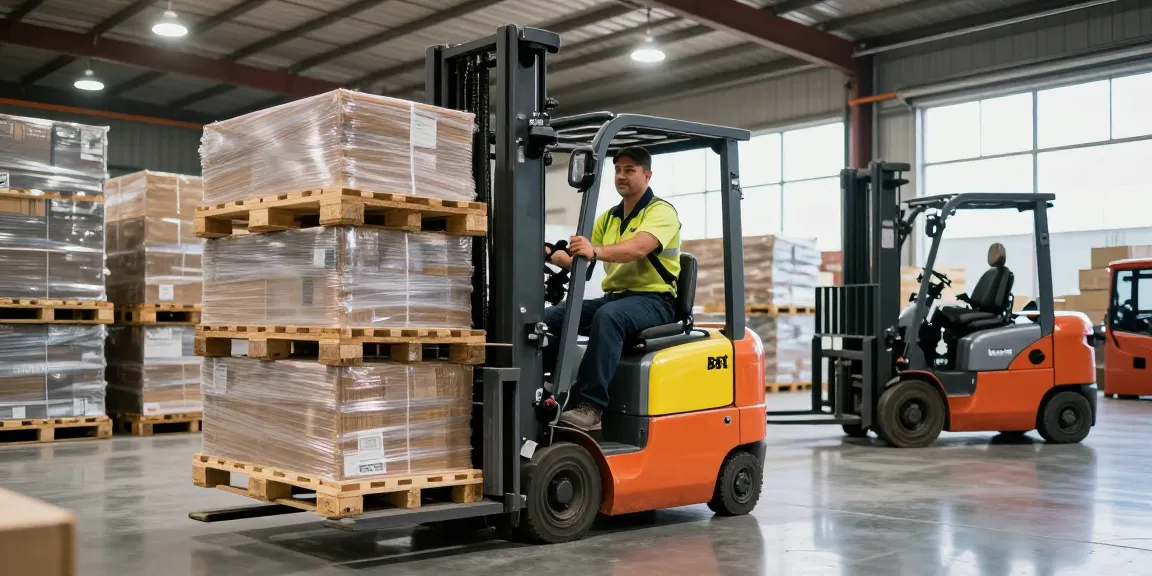
An electric stacker is a powered material handling equipment that facilitates the lifting and stacking of goods in various environments, predominantly in warehouses and distribution centers. Unlike traditional manual stackers, electric stackers operate on batteries, allowing for smoother and faster operations, thus reducing physical strain on operators. These machines come in various designs, including walkie stackers and ride-on configurations, catering to different operational needs.
Benefits of Using Electric Stackers in Warehousing
- Enhanced Efficiency: Electric stackers can move quickly, allowing operators to transport goods more efficiently than manual methods.
- Reduced Labor Costs: Automating lifting and stacking tasks can lower the manpower needed for warehouse operations.
- Sustainability: Being electric, these stackers emit zero emissions, making them an environmentally friendly choice.
- Improved Operator Safety: Electric stackers reduce injury risks associated with manual lifting and carry an array of safety features.
Key Features to Look for in Electric Stackers
When investing in an electric stacker, it’s essential to consider several key features to ensure the model fits your specific needs:
- Load Capacity: Assess the maximum load the stacker is designed to lift and transport.
- Lifting Height: Ensure the stacker can reach the necessary height for your operations.
- Battery Life: Look for stackers with long-lasting batteries that can withstand full shifts without needing frequent charges.
- Stability and Safety Features: Features such as braking systems and stabilizing legs boost both safety and operational efficiency.
Assessing Your Needs: Choosing the Right Electric Stacker for Your Operations
Selecting the ideal electric stacker requires a thorough understanding of your operational requirements. It’s not just about choosing the most powerful model; you must evaluate various factors that directly impact performance and productivity.
Evaluating Load Capacity and Lift Height
The first step in choosing the right electric stacker is determining your maximum load needs and the required lift height for your tasks. For instance, if you frequently handle heavier loads, you will need a stacker with a higher load capacity. Similarly, consider the vertical space in your warehouse to choose a stacker that can adequately lift to the necessary heights.
Determining the Right Electric Stacker Configuration
Electric stackers come in various configurations, including walkie stackers, reach stackers, and counterbalance stackers. Each type has unique advantages depending on the working environment and the specific tasks required. Walkie stackers are great for maneuverability in tight spaces, while reach stackers maximize vertical space usage.
Understanding Your Warehouse Layout and Space Constraints
Your warehouse layout plays a significant role in selecting the right electric stacker. If your warehouse has narrow aisles, a compact and agile stacker model would be ideal. Alternatively, if you have ample space, you might consider models that offer a higher lifting capacity.
Top Models for 2026: Best Electric Stackers in Texas
As technology continues to improve, many manufacturers are releasing advanced electric stackers that cater to diverse industry needs. Let’s explore some of the leading electric stacker models available in Texas for 2026.
Review of the Leading Electric Stacker Models
Some popular models currently making waves include:
- US-TXLT132PRO Electric Telescopic Wheel Loader: Known for its versatility in construction and heavy lifting operations.
- Counterbalance Electric Stacker: A robust choice designed for heavy-duty tasks with unmatched stability.
- Full Electric Walkie Stacker with Straddle Legs: Available in various lift heights, accommodating different pallet configurations.
Comparative Analysis of Features and Pricing
A comparative analysis of electric stackers based on their features and pricing is crucial for informed decision-making. While higher-priced models often come with advanced features such as enhanced safety systems and greater battery capacity, it’s essential to evaluate these against your operational needs to ensure value for money.
User Reviews and Experiences with Popular Models
User feedback provides valuable insights into the performance and reliability of electric stackers. Gathering reviews and testimonials can help identify common issues and highlight the strengths of specific models, allowing potential buyers to make well-informed choices.
Maximizing Efficiency: Best Practices for Electric Stacker Use
Once you’ve chosen the perfect electric stacker, ensuring its optimal use is essential for maximizing efficiency. Implementing best practices in training, maintenance, and workflow integration can dramatically enhance your warehouse operations.
Training Operators for Optimal Performance
Providing comprehensive training for operators is crucial. Operators should be well-versed in the functionality of the equipment, including safety procedures and troubleshooting common issues. Regular refresher courses can help maintain high safety standards and operational efficiency.
Regular Maintenance and Safety Checks
Establishing a routine maintenance schedule can help prolong the life of your electric stacker. Regular checks on battery health, tires, and essential mechanical components will reduce the chances of unexpected downtimes and enhance safety.
Integrating Electric Stackers into Warehouse Workflow
Integrating electric stackers into your existing workflow involves organizing tasks efficiently so that both human operators and machines work harmoniously. Setting designated zones for different operations can minimize congestion and increase operational speed.
Future Trends in Material Handling: What to Expect Beyond 2026
The material handling industry is poised for significant innovations in the coming years, particularly in the realm of electric stackers and automation.
Innovations in Electric Stacker Technology
Future electric stackers may feature advanced technologies such as IoT connectivity, allowing for real-time tracking of equipment status and performance metrics. These innovations will not only enhance operational efficiency but also offer data-driven insights for better warehouse management.
The Role of Automation and AI in Warehousing
As automation becomes increasingly integrated into warehouse operations, electric stackers may evolve to include autonomous navigation capabilities. This shift could significantly reduce human error while improving overall safety and efficiency.
Sustainability Considerations for Future Equipment Purchases
As sustainability gains momentum, future electric stackers are likely to focus on eco-friendly features, including rechargeable batteries with improved lifespan and energy efficiency, thereby reducing the carbon footprint associated with material handling.
What are the advantages of electric stackers?
Electric stackers offer numerous advantages, including reduced emissions, lower operational costs, and improved safety on the job site.
How do I choose the right electric stacker model?
Choosing the right model involves evaluating your specific operational needs, including load capacity, lift height, and warehouse layout.
What maintenance is required for electric stackers?
Regular maintenance tasks include battery checks, tire inspections, and ensuring all safety features are functioning properly.
Are electric stackers safe to operate?
Yes, electric stackers are designed with safety features to protect operators, but it is crucial to follow all safety guidelines and procedures during operation.
What trends are emerging in material handling technology?
Emerging trends include the integration of AI and automation into material handling solutions, focusing on smart technologies and sustainability for future equipment purchases.