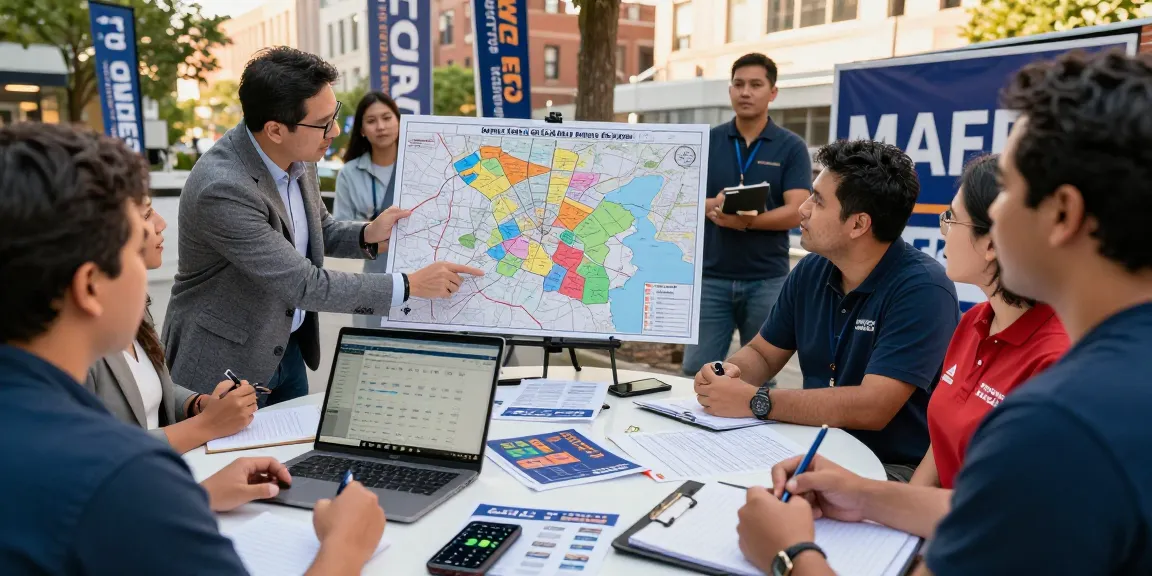
Understanding Down Ballot Campaign Marketing
Down ballot campaign marketing is an essential yet often overlooked aspect of the political landscape. As elections approach, candidates focus on high-profile races, frequently neglecting the importance of local and state-level contests, which can significantly influence voter turnout and behavior. By harnessing targeted strategies and data-driven insights, campaigns can effectively engage potential voters and drive impactful results. This article delves into the intricacies of down ballot campaign marketing, highlighting its relevance in today's political environment.
When exploring options, down ballot campaign marketing provides comprehensive insights into winning districts. By harnessing the right techniques and data, candidates can ensure they have the best chance at succeeding in their local elections.
What is Down Ballot Campaign Marketing?
Down ballot campaign marketing refers to the strategies and tactics employed to promote candidates and issues that are lower on the ballot, which typically include state legislative races, local offices, and ballot measures. Unlike high-profile races that attract widespread media attention, down ballot campaigns often have to work harder to gain visibility and support. These campaigns leverage various tools such as voter data, targeted advertising, and grassroots outreach to effectively communicate with voters and ensure their message resonates.
The Importance of Voter Data in Campaigns
At the heart of every successful down ballot campaign lies comprehensive voter data. Campaigns that invest in obtaining complete, updated voter files gain invaluable insights into their target demographics. By understanding who their voters are, campaigns can tailor their messaging and outreach strategies to resonate with specific groups. This targeted approach enables candidates to identify potential supporters, address their concerns, and mobilize them effectively during election periods.
Common Misconceptions About Down Ballot Campaigning
Many candidates mistakenly believe that down ballot races are less critical or easier to win than higher-profile elections. This misconception can lead to insufficient funding, lack of strategic planning, and weak voter outreach efforts. In reality, down ballot races can have a profound impact on local governance and voter engagement across the board. Recognizing the significance of these campaigns is vital for candidates aiming to achieve success in their political pursuits.
Data-Driven Campaign Strategies for Success
Leveraging Complete Voter Files Effectively
One of the most effective ways to enhance down ballot campaign marketing is by leveraging complete voter files. These files contain detailed information about registered voters, including names, addresses, and voting history. By utilizing this data, candidates can identify key segments of the electorate, allowing them to create targeted messaging that resonates with specific demographics. Campaigns can also utilize this data to inform decision-making around budget allocation, advertising, and outreach efforts.
Advanced Targeting Techniques for Multi-District Campaigns
For candidates running in multiple districts, advanced targeting techniques allow for nuanced campaigning that enables candidates to adjust their strategies based on district-specific voter concerns. Geographic and demographic segmentation can help candidates tailor their messages and outreach efforts based on the unique needs of varied voter bases. By employing sophisticated analytical tools, campaigns can make data-driven decisions that enhance engagement and conversion rates.
Identifying Key Demographics: A Step-by-Step Guide
Understanding key demographics within the electorate is crucial for campaign success. Here’s a step-by-step guide to identifying important voter segments:
- Analyze Voter Data: Start by examining voter files to identify trends and patterns in voter demographics.
- Segment Your Audience: Divide voters into groups based on characteristics like age, gender, ethnicity, and voting history.
- Develop Personas: Create personas for each segment to help tailor campaign messages to their specific interests and concerns.
- Test and Iterate: Use A/B testing on campaign messages to determine what resonates best with different segments.
Integrating Digital Marketing with Traditional Tactics
The Role of Political SEO in Down Ballot Campaigns
In today’s digital age, political SEO is a powerful tool for down ballot candidates. By optimizing campaign websites and content for search engines, candidates can improve their visibility and attract more organic traffic from potential voters. Implementing strategies such as keyword optimization, local SEO, and quality content creation not only enhances online presence but also drives engagement and facilitates direct communication with supporters.
Combining Digital Ads and Text Campaigns for Maximum Reach
Combining digital ads with text messaging campaigns can significantly boost outreach efforts. Digital ads provide broad visibility across platforms, while text campaigns enable personalized communication directly with voters. This multi-channel approach ensures that candidates can reach voters where they are most active, fostering engagement and building stronger connections.
Creating Engaging Campaign Websites: Best Practices
A well-designed campaign website is essential for any candidate looking to engage voters effectively. Best practices for creating engaging campaign websites include:
- Clear Messaging: Make sure your campaign goals and messages are prominently displayed.
- User-Friendly Navigation: Ensure visitors can easily find information about the candidate, issues, and how to get involved.
- Mobile Optimization: Given the rise of mobile browsing, ensure your site is responsive and functions well on all devices.
- Call-to-Action: Include clear calls-to-action that encourage visitors to donate, volunteer, or share campaign information.
Challenges in Down Ballot Campaigns
Overcoming Obstacles in Voter Outreach
Despite the importance of down ballot campaigns, candidates often face significant challenges in reaching voters. Limited resources, time constraints, and competition for attention can hinder outreach efforts. Effective strategies to overcome these obstacles include utilizing data analytics to prioritize outreach, focusing on high-impact areas, and employing creative tactics to engage voters in meaningful conversations.
Managing Budget Constraints and Resources
Budget constraints are a common challenge for down ballot campaigns, which often operate with tighter finances than higher-profile races. Candidates must prioritize their spending, ensuring that funds are allocated efficiently. Creating a detailed budget plan that outlines key expenditure areas—such as voter data acquisition, advertising, and outreach—is essential for successful campaign management.
Adapting to Changing Political Landscapes
The political landscape is ever-changing, and down ballot candidates must remain agile to respond effectively. This entails staying informed about current events, understanding voter sentiment, and adjusting campaign messages accordingly. Monitoring trends through social media, community feedback, and polling data can provide insights into how to navigate these shifts successfully.
Future Trends in Down Ballot Campaign Marketing
Emerging Technologies Shaping Campaign Strategies for 2026
As we approach the 2026 elections, emerging technologies are set to transform down ballot campaign marketing. Innovations such as artificial intelligence, machine learning, and big data analytics will enable candidates to harness voter information more effectively, optimizing outreach and engagement strategies. Additionally, advances in communication technologies can create new avenues for candidate-voter interaction, paving the way for more personalized experiences.
Predictions for Voter Engagement in Upcoming Elections
As the electorate becomes increasingly tech-savvy, engaging voters through digital platforms will become more critical than ever. Candidates will need to adapt their strategies to meet voters where they are, utilizing social media, mobile apps, and online forums to foster engagement and encourage participation. Predictions suggest that campaigns that successfully utilize these channels will see higher voter turnout and increased support.
Preparing for the Next Generation of Political Marketing
Looking ahead, down ballot campaigns must prepare for a new generation of political marketing that leverages technology and data in innovative ways. This includes fostering relationships with influencers, utilizing crowd-sourced funding, and capitalizing on emerging digital platforms to enhance outreach efforts. Candidates must be proactive and adaptable, ready to embrace these changes to ensure their strategies remain effective and relevant.
What Are the Top Questions About Down Ballot Marketing?
As candidates and campaign managers navigate the complexities of down ballot marketing, several key questions often arise:
- How can data maximize campaign effectiveness? Data-driven strategies enable campaigns to identify and reach target audiences effectively, leading to higher engagement and voter turnout.
- What are the best practices for engaging voters? Personalization, transparency, and authentic communication are critical in building trust and encouraging voter participation.
- How do technology and analytics influence campaign success? Technology facilitates targeted outreach, allowing campaigns to refine their messaging and make informed decisions based on real-time analytics.