
Understanding Sports Broadcasting Fundamentals
What is Sports Broadcasting?
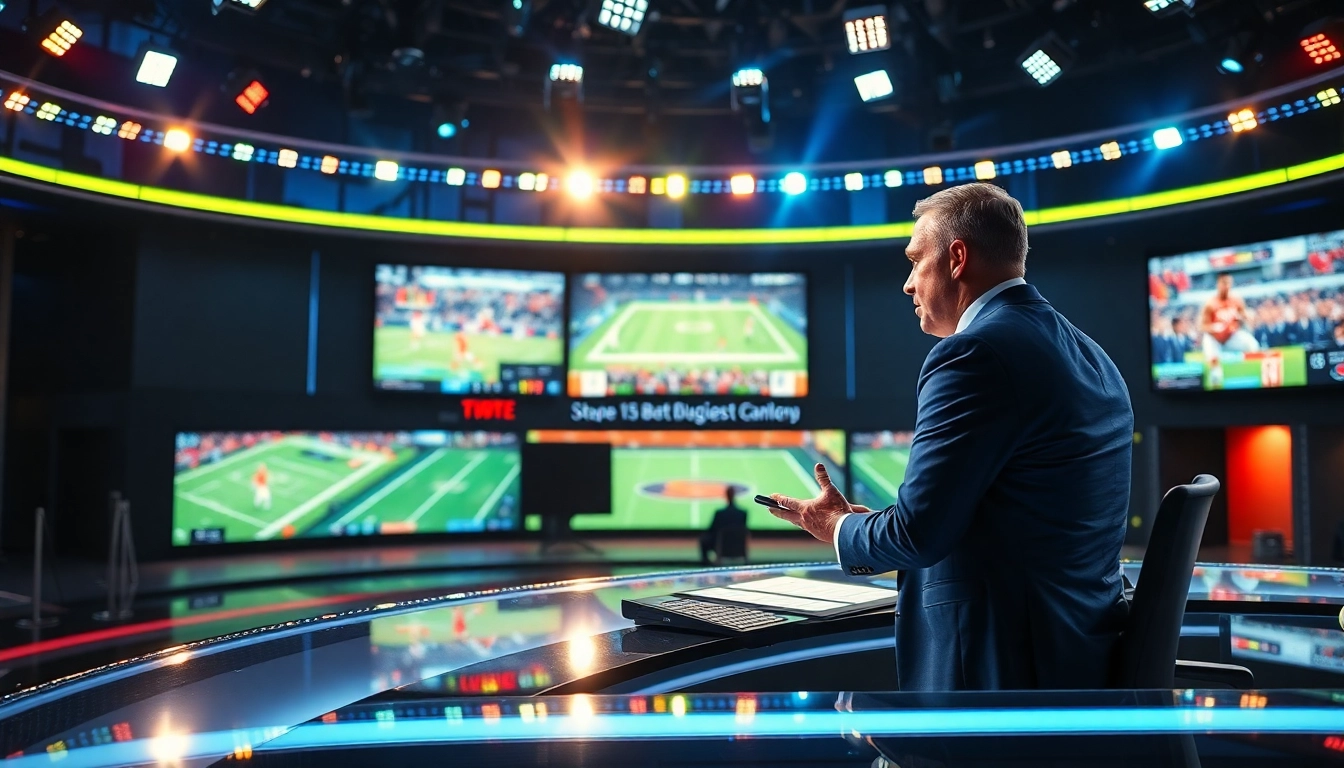
Sports broadcasting refers to the process of transmitting live sports events, commentary, analysis, and related content to an audience via various channels such as television, radio, and online platforms. This vibrant field has grown exponentially in the digital age, providing fans with access to their favorite sports and teams. By utilizing different formats and technologies, broadcasters can enhance viewer experiences and reach broader audiences. As a critical aspect of sports culture, sports broadcasting serves not only as entertainment but also as a platform for engaging fans and fostering community around shared interests. For those looking to dive deeper into Sports Broadcasting, understanding its nuances is essential for success.
The Evolution of Sports Broadcasting
The journey of sports broadcasting has been transformative over the decades. Initially confined to radio broadcasts, sports coverage expanded significantly with the advent of television, which allowed for more immersive experiences. Early televised sports events were limited in scope, but as technology advanced, so did the quality and variety of broadcasts.
The internet’s explosion in popularity revolutionized the field, paving the way for live streaming, social media engagement, and on-demand content. Today, sports broadcasting not only encompasses traditional forms but also embraces digital platforms, allowing a global audience to connect with live games and commentary. The rise of esports has also added another layer to this evolution, highlighting the adaptability of sports broadcasting in including new genres and reaching different demographics.
Key Components of Effective Sports Broadcasting
To engage audiences effectively, sports broadcasting requires several key components:
- Quality Production: High-definition video, clear audio, and professional-grade graphics enhance viewer experience.
- Expert Commentary: Analyst insights and play-by-play commentary provide context and enhance understanding of the game.
- Audience Engagement: Interaction through social media, polls, and live chats fosters a community and encourages loyalty.
- Diverse Coverage: Covering a variety of sports and events appeals to a wider audience and maintains interest.
- Timeliness: Fast in delivering updates and highlights is critical, especially in fast-paced sports environments.
Technology’s Role in Sports Broadcasting
Live Streaming Innovations
The rise of live streaming has been a game-changer for sports broadcasting, enabling fans to watch events instantly and from anywhere. Innovations in streaming technology have led to higher-quality broadcasts with lower latency, allowing viewers to feel as though they are part of the action. Platforms like Twitch and YouTube have also created new opportunities for sports content, particularly in segments like esports.
Moreover, advancements in mobile viewing options mean that fans can follow their favorite teams without being tied to a single location. As bandwidth continues to improve globally, the potential for further enhancing live streaming experiences exists, from virtual reality environments to augmented reality features that overlay stats and information during games.
Utilizing Social Media for Engagement
Social media plays a critical role in sports broadcasting today. Platforms such as Twitter, Instagram, and Facebook allow broadcasters to share highlights, engage with fans, and provide behind-the-scenes content. This immediate access not only keeps fans informed but also builds a sense of loyalty and community.
Additionally, social media provides significant opportunities for interactive content, such as live reacts, polls during games, and fan commentary initiatives. The use of influencers and popular sports personalities on these platforms can amplify reach and attract younger audiences who consume sports differently than traditional viewers.
Enhancements in Production Quality
High production quality is vital for maintaining audience interest and ensuring engagement. This includes the use of multi-camera setups, aerial drone coverage, and advanced graphics that enhance storytelling during broadcasts. Producers leverage technology to create a seamless viewing experience that captivates audiences from start to finish.
Moreover, the integration of data analytics into broadcasts allows for real-time statistics and insights that enrich the viewing experience and enable informed discussions among fans and commentators alike. As technology continues to evolve, higher production values are expected to remain a focal point of successful sports broadcasting.
Best Practices for Engaging Sports Audiences
Creating Compelling Content
Compelling content is the backbone of successful sports broadcasting. Broadcasters must invest in quality storytelling, focusing on narratives that resonate with audiences. Covering player backstories, team journeys, and dramatic moments can hook viewers and create emotional investments in the sports being broadcasted.
Furthermore, experimentations with formats such as podcasts, interviews, and panel discussions can diversify offerings and cater to various audience preferences. By utilizing compelling visuals and relatable storytelling, broadcasters can connect deeply with their audience.
Interactivity and Audience Participation
Encouraging interactivity enhances viewer engagement, making audiences feel like active participants rather than passive observers. By incorporating features like live polls, Q&A sessions, and fan shout-outs during broadcasts, sports broadcasters can foster a sense of community and interaction among their viewers.
Interactive elements can also include mobile applications where fans can predict game outcomes, share their insights, and interact with commentators. Such initiatives create a dynamic viewing environment where the audience feels their voices matter.
Building Community Around Sports Broadcasting
Successful sports broadcasting endeavors to build a community around mutual interests. Engaging with local communities and fan clubs through dedicated content can enhance loyalty and viewer retention. Organizing events, watch parties, and creating dedicated social media communities can enhance fan connection to broadcasts.
Moreover, partnerships with community organizations and local influencers can foster grassroots support, making sports broadcasting an integral part of community culture. Such focused efforts encourage long-term investment from both broadcasters and their audiences.
Monetization Strategies in Sports Broadcasting
Advertising and Sponsorship Opportunities
Advertising and sponsorships remain the most traditional form of monetization in sports broadcasting. Broadcasters can generate revenue through targeted advertising strategies that cater to specific demographics, particularly during peak live sports events. Creating packages tailored to sponsors and ensuring visibility throughout broadcasts can elevate revenue potential.
Furthermore, leveraging data analytics to understand audience preferences allows for more precise targeting of ads, increasing the likelihood of engagement and conversions, which benefits both broadcasters and advertisers.
Subscription-based Models
With the shift towards digital streaming, subscription-based models have become increasingly popular. Platforms that offer exclusive content, live games, and additional features can monetize audiences directly, ensuring a steady revenue stream. Offering value through unique content and personalized viewing experiences can encourage subscriptions and retain viewers.
Adopting tiered subscription models also allows broadcasters to cater to various audience segments, providing options for casual viewers to hardcore fans who seek all-access content.
Leveraging Merchandise Sales
Leveraging merchandise sales represents another strategic avenue for monetization in sports broadcasting. Broadcasting networks can collaborate with teams and brands to promote club merchandise, thereby generating additional revenue streams.
Unique merchandising opportunities, including limited edition items and exclusive collaborations, can attract interest from audiences eager to show their support. Effective marketing strategies utilizing platforms and engaging narratives around merchandise can enhance sales and build loyalty.
Measuring Success in Sports Broadcasting
Key Performance Indicators
Establishing key performance indicators (KPIs) is vital for measuring the success of sports broadcasting endeavors. Common KPIs include viewership numbers, audience engagement rates, and demographic data that help broadcasters understand their audience and tailor future content accordingly.
Additionally, ad performance metrics and subscription retention rates should be tracked and analyzed to refine strategies. Incorporating these metrics into regular review processes can enhance adaptability and overall success.
Analyzing Audience Feedback
Feedback from the audience serves as invaluable data for improving content and engagement strategies. Utilizing surveys, polls, and direct audience interactions can provide insights into viewer preferences and areas needing improvement. Analyzing social media sentiment about broadcasts can also reveal important trends and perceptions.
By staying attuned to audience feedback, broadcasters can create content that genuinely resonates and maintains viewer interest over time.
Adapting to Trends and Metrics
The rapidly evolving landscape of sports broadcasting demands adaptability. Broadcasters should continuously monitor industry trends, audience behavior, and emerging technologies to stay ahead. This might involve experimenting with new content formats or incorporating trending topics into broadcasts to enhance relevance.
Ultimately, successful adaptation not only keeps content fresh but also positions broadcasters as innovative leaders within the space, vital for long-term growth.
FAQs
What are the main careers in sports broadcasting?
Sports broadcasting includes roles like sports announcers, producers, and analysts who cover events and create content.
How has digital media changed sports broadcasting?
Digital media has enabled instant updates and live streaming, broadening the audience reach and engagement.
What technologies are essential for sports broadcasting?
Key technologies include high-definition cameras, live streaming software, and social media platforms for audience interaction.
What impact does audience engagement have on sports broadcasting?
Higher audience engagement leads to increased viewership and potential revenue opportunities for broadcasters.
How do monetization strategies affect sports broadcasting?
Effective monetization strategies enhance profitability and allow stations to invest in better content and technology.