
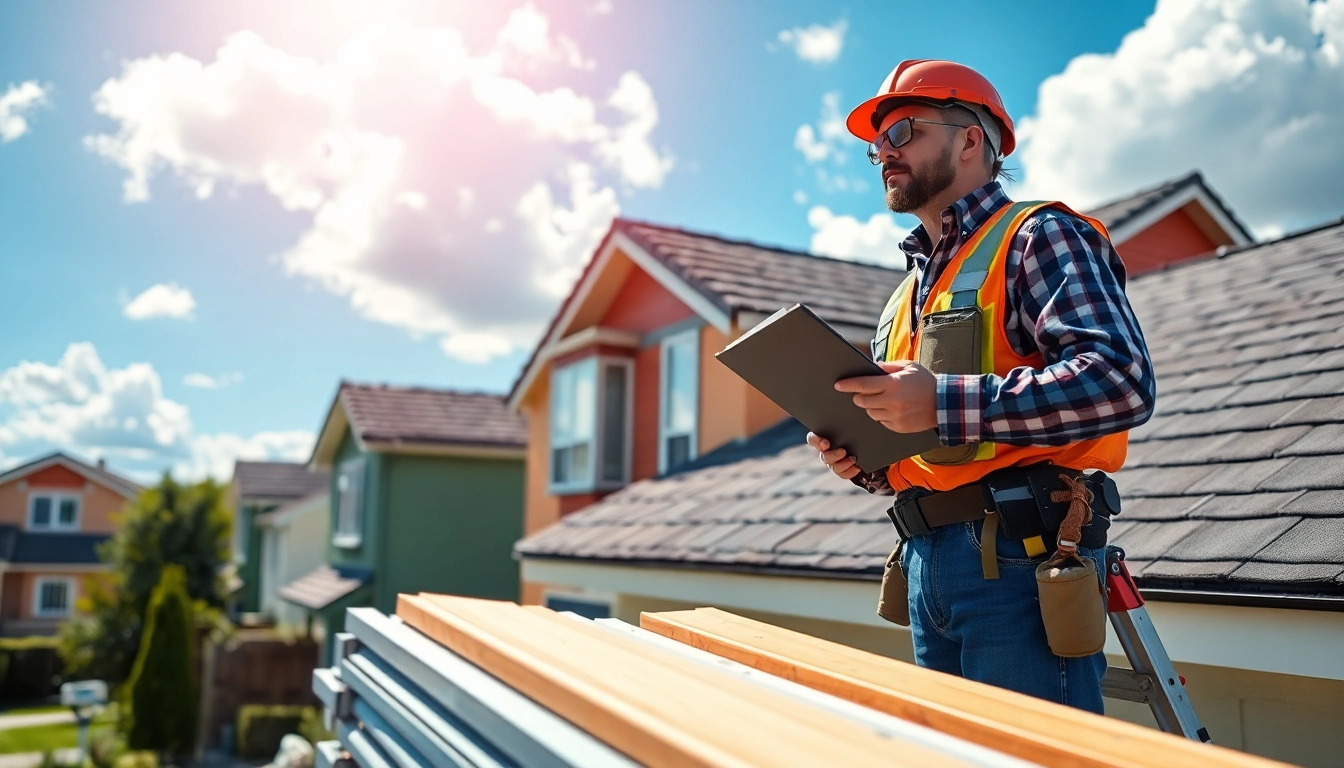
Understanding the Role of a Roofing Contractor
When it comes to maintaining or upgrading your home, one critical aspect that often requires professional involvement is roofing. If your home needs a new roof or repairs, you’ll likely seek the services of a Roofing contractor. But who exactly are these professionals, and what roles do they play in the roofing process?
Key Responsibilities of Roofing Contractors
Roofing contractors are not just laborers; they are skilled professionals who manage all aspects of a roofing project. Their key responsibilities include:
- Assessment and Diagnosis: Evaluating the current roof condition and identifying areas for repair or replacement.
- Material Selection: Helping homeowners choose the right materials based on budget, aesthetics, and functionality.
- Planning and Estimation: Creating detailed project plans, timelines, and cost estimates to help homeowners understand the financial implications.
- Installation: Overseeing the physical installation of roofing systems while ensuring compliance with building codes and safety regulations.
- Quality Control: Ensuring that all work meets quality standards and implements warranties for peace of mind.
- Cleanup: Managing waste disposal and site cleanup at the end of the project to leave a tidy work area.
Qualifications to Look For
When selecting a roofing contractor, certain qualifications can help ensure that you are hiring a competent professional. Look for:
- Experience: Contractors with a proven track record are more likely to deliver good results.
- Certifications: Look for industry-related certifications indicating advanced skills or specialized training.
- References: Positive reviews from previous clients can provide insight into their reliability and work quality.
Importance of Licensing and Insurance
Licensing and insurance are vital elements when considering a roofing contractor. A proper license ensures compliance with state regulations, while insurance protects both the contractor and the homeowner during the roofing process. If an accident occurs, the homeowner may become liable for medical expenses or property damage in the absence of insurance.
How to Find a Reliable Roofing Contractor
Finding a reliable contractor may seem daunting, but a few practical steps can simplify the process. By conducting thorough research and taking proactive steps, you can ease your worries about selecting the right contractor for your roofing project.
Researching Local Options
Start your search by looking for contractors in your local area. Utilizing online directories, social media, and local trade associations can yield many potential candidates. Additionally, proximity can help you assess ongoing projects and understand the contractor’s reputation in the community.
Checking Reviews and References
One of the most effective ways to gauge a contractor’s reliability is through customer reviews. Websites like Google, Yelp, and Angie’s List provide customer feedback that can highlight pros and cons of each candidate. Don’t hesitate to ask for references from past clients and follow up to inquire about their experiences.
Evaluating Portfolios and Work History
A competent contractor should be able to provide a portfolio showcasing previous projects. Look for photos and project descriptions that reflect the type of work you need. A diverse portfolio can be an indicator of a contractor’s adaptability and expertise in handling various roofing types.
Questions to Ask Your Roofing Contractor
During your initial consultation, it’s essential to ask key questions. The responses will provide insight into the contractor’s capabilities and help you make an informed decision.
Inquiring About Experience and Expertise
Ask potential contractors about their years of experience and preferred types of roofing. Inquire about their completed projects relevant to your needs and gauge their specialized expertise.
Understanding Pricing and Estimates
Discuss pricing structures and ensure that estimates provided cover all labor, materials, and possible unexpected costs. Understanding the total financial commitment is crucial for budget management.
Discussing Project Timelines
Establish a clear timeline for the project. Ask how long the work will take, considering potential setbacks like adverse weather. A reliable contractor should provide you with reasonable estimates and communicate effectively regarding any changes.
Common Roofing Materials and Their Benefits
One of the most significant decisions you’ll face when working with a roofing contractor is selecting the best materials. Different options come with various advantages, and understanding these can help tailor your choice to your specific needs.
Types of Shingles and Their Lifespan
Asphalt shingles are the most common roofing material in North America, known for their affordability and versatility. On average, they last 15 to 30 years. Other types, such as wood shake shingles, provide a natural aesthetic but require more maintenance and have a lifespan of 20 to 25 years. Metal roofing options boast durability for 50 years or more and can reflect heat to reduce cooling costs.
The Advantages of Metal Roofing
Metal roofing is becoming increasingly popular due to its longevity, sustainability, and low maintenance needs. They are resistant to high winds and fire, making them a safe option for many homeowners. Additionally, metal roofs are energy-efficient and often can be installed over existing roofs, saving time and money.
Choosing Eco-Friendly Options
Environmentally-conscious homeowners might consider green roofing options such as solar panels, living roofs, or recycled materials. These choices not only benefit the environment but can also provide long-term savings through energy efficiency and reduced utility costs.
Finalizing Your Decision: What to Expect
Once you have found a roofing contractor that meets your criteria and agreed on materials and costs, it’s important to understand the next steps to ensure a smooth installation process.
Understanding the Contract Terms
Before signing, carefully review the contract terms. Ensure it clearly outlines payment schedules, timelines, and warranty agreements. Familiarizing yourself with every detail will prevent any ambivalent misunderstandings during the project.
Preparing Your Home for the Project
Preparation can facilitate a smoother installation. Move any outdoor furniture and secure valuables in your attic or upper floors. Inform neighbors about the upcoming work, as roofing projects can generate noise and debris.
Post-Completion Follow-up and Warranty
After project completion, conduct a thorough inspection with the contractor to ensure everything is done correctly. Request warranty documentation covering craftsmanship and material defects, which can provide peace of mind for years to come.
Frequently Asked Questions
What should I look for in a roofing contractor?
Look for experience, licenses, insurance, and positive customer reviews. Evaluating their portfolio is also crucial.
How can I verify a contractor’s license?
Check with your state’s licensing board or relevant authority to confirm the contractor’s license and ensure it’s in good standing.
What types of roofing materials can I choose from?
You can choose from asphalt shingles, metal roofing, wood shakes, tiles, and eco-friendly options depending on your budget and aesthetic preferences.
How long does roofing installation typically take?
Installation time varies based on the project scope. Most residential roofing jobs take 1-3 days, while more complex projects may take longer.
Are roofing warranties worth it?
Yes, warranties protect you against potential defects in materials and installation, providing peace of mind and saving future repair costs.