
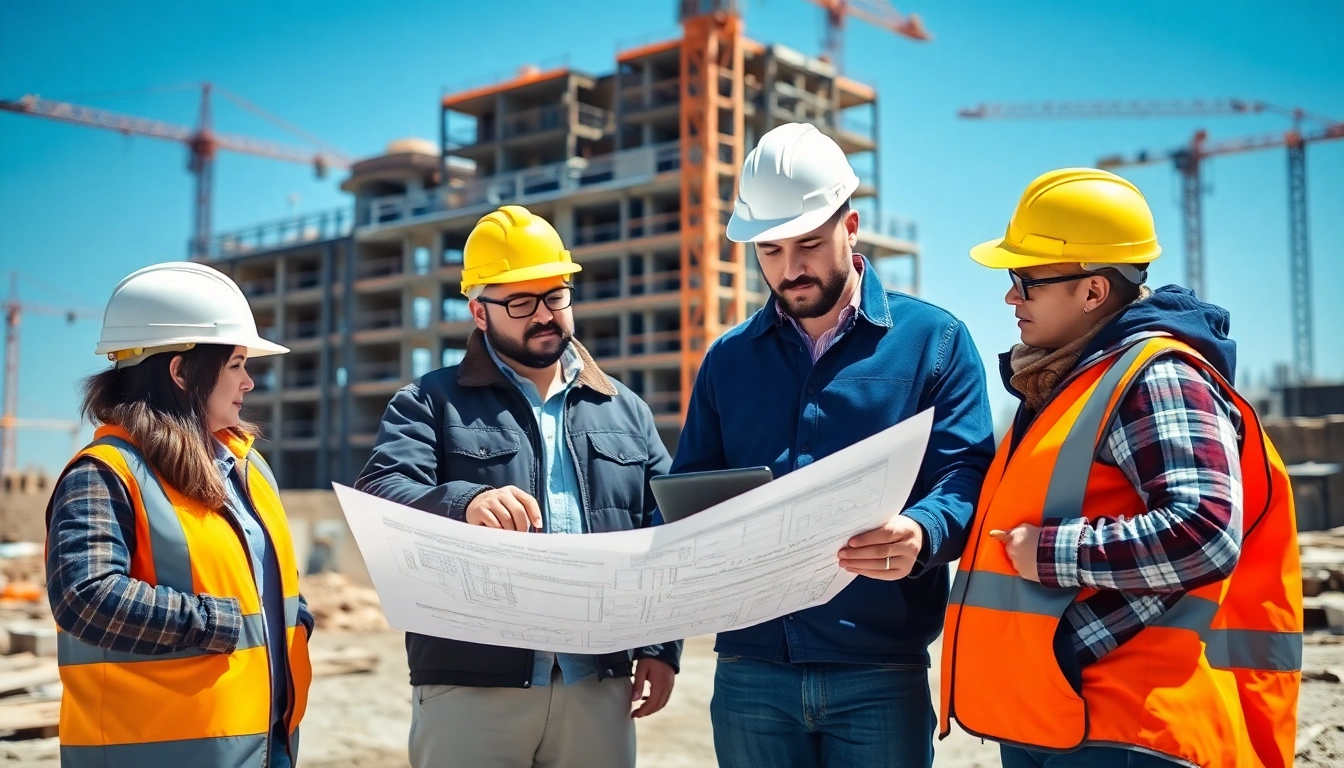
- Understanding the Role of a Manhattan Commercial General Contractor
- Choosing the Right Manhattan Commercial General Contractor
- Essential Skills of a Successful Manhattan Commercial General Contractor
- Common Challenges Faced by Manhattan Commercial General Contractors
- Maximizing Value with Your Manhattan Commercial General Contractor
- Frequently Asked Questions
Understanding the Role of a Manhattan Commercial General Contractor
Definition and Key Responsibilities
A Manhattan Commercial General Contractor is a crucial player in the construction industry, predominantly overseeing and managing construction projects within the bustling landscape of Manhattan. Their primary responsibilities revolve around ensuring that projects are completed on time, within budget, and to the required quality standards. They act as the central point of contact for all parties involved, including architects, engineers, subcontractors, and clients.
Their roles encompass several key areas such as project management, procurement, scheduling, and compliance with safety and building codes. Effective coordination among the different stakeholders is vital, as is managing resources, from labor to materials. Ultimately, a skilled general contractor not only understands the technical aspects of construction but also possesses strong leadership and organizational skills, ensuring smooth project flow.
Why Hire a Manhattan Commercial General Contractor?
Hiring a Manhattan Commercial General Contractor can significantly affect the success of a construction project. These professionals bring extensive knowledge of local regulations, building codes, and industry best practices that can prevent costly delays and legal complications. Their expertise is critical in navigating the complex landscape of New York’s real estate development.
Moreover, general contractors have established networks of reliable subcontractors, suppliers, and laborers. This network can lead to better pricing for materials and services while ensuring high-quality work. An experienced contractor also takes care of various logistical details—scheduling, insurance, and safety protocols—allowing clients to focus on their core business objectives.
By choosing to partner with a Manhattan Commercial General Contractor, clients can streamline their construction process and enhance the overall outcome of their projects.
Industry Standards and Regulations
The construction industry in Manhattan operates under strict standards and regulations that govern every aspect of building practices, zoning laws, and safety protocols. These regulations are essential to maintain the structural integrity of buildings and the safety of occupants. General contractors must stay updated with these evolving stipulations to ensure compliance and avoid penalties.
Specific industry standards may include guidelines established by the New York City Department of Buildings, such as adherence to the New York City Building Code and New York State Labor Law. Furthermore, contractors frequently encounter mandates relating to environmental sustainability, including energy efficiency regulations and sustainable building practices.
Understanding industry standards not only assists in navigating regulatory hurdles but also enhances the contractor’s credibility in the eyes of clients and industry peers alike.
Choosing the Right Manhattan Commercial General Contractor
Evaluating Potential Contractors
Choosing the right Manhattan Commercial General Contractor can be a daunting task. It is crucial to begin by assessing potential contractors based on their qualifications, experience, and reputation in the industry. Sources like online reviews, testimonials, and industry rankings can provide valuable insight into a contractor’s past performance.
Additionally, consider their areas of specialization. For instance, contractors might focus on commercial renovations, new construction, or specific sectors like retail or hospitality. Ensuring alignment with the project’s requirements can greatly influence outcomes.
Beyond experience, reviewing their financial stability is equally important. A financially sound contractor is less likely to face cash flow issues that could disrupt the project timeline.
Questions to Ask Your Contractor
Asking the right questions can clarify expectations and establish a solid foundation for your contractor-client relationship. Key inquiries include:
- What is your project management approach?
- Can you provide a detailed breakdown of estimated costs?
- How do you handle project changes or disputes?
- What is the expected timeline for project completion?
- Could you supply references from similar projects?
These questions not only gauge their competency but also allow you to understand their communication style and openness to collaboration, pivotal factors in successful project execution.
Checking References and Past Projects
To further assess a contractor’s capability, reviewing references and past projects is paramount. This process involves contacting previous clients and gathering input regarding their experiences, project delivery, and satisfaction levels.
Inquire specifically about the contractor’s adherence to timelines, quality of work, and how they managed unexpected challenges. An open line of communication during past projects often correlates to how well they will interact with current clients. Additionally, visiting past projects can provide tangible proof of their work quality and execution capabilities.
Essential Skills of a Successful Manhattan Commercial General Contractor
Project Management Skills
Project management is the backbone of a Manhattan Commercial General Contractor’s role. The ability to plan, execute, and oversee projects effectively is essential for keeping all aspects of the job on track. This includes resource allocation, scheduling, and coordinating different teams to work together efficiently.
A successful contractor employs various project management methodologies, such as Agile or Waterfall, appropriately tailored to the project’s scope and requirements. They must also be adept at using project management software that can enhance collaboration, tracking, and reporting, ensuring that all stakeholders remain informed and engaged throughout the project lifecycle.
Communication and Negotiation Skills
Effective communication and negotiation skills are vital for any Manhattan Commercial General Contractor. These skills enable contractors to liaise between clients, subcontractors, and suppliers, ensuring that everyone is on the same page. Creating an environment of transparency fosters trust and helps mitigate misunderstandings that can lead to project delays.
Negotiation, particularly with suppliers and subcontractors, impacts the overall project cost and timing. Skilled contractors can secure favorable terms without compromising quality by tactfully leveraging their industry relationships and knowledge.
Technical Knowledge and Expertise
A deep understanding of construction methods, materials, and systems is a requisite for a successful Manhattan Commercial General Contractor. This expertise enables them to make informed decisions regarding project execution and troubleshoot issues that may arise.
Moreover, keeping abreast of technological advancements in construction—such as Building Information Modeling (BIM) and sustainable building practices—provides added value. A contractor familiar with these innovations can optimize project delivery and enhance sustainability, meeting both regulatory requirements and client expectations.
Common Challenges Faced by Manhattan Commercial General Contractors
Budget Limitations
Budget limitations often pose one of the most significant challenges for Manhattan Commercial General Contractors. Economic fluctuations can impact material costs, labor rates, and availability. Therefore, cost-effective planning is crucial from the start.
Strategies, such as contingency budgeting for unexpected expenses and securing multiple quotes from suppliers, can help mitigate financial challenges. Additionally, employing value engineering techniques allows contractors to analyze project functionalities and identify opportunities to reduce costs while maintaining quality.
Regulatory Compliance Issues
Navigating regulatory compliance issues in Manhattan can be particularly daunting due to the myriad of building codes, zoning laws, and other legislative requirements. Violations can lead to costly penalties and project delays.
Successful contractors must remain well-versed in all regulatory matters affecting their projects. Engaging with legal experts and attending industry seminars can ensure they are always up to date. Effective compliance processes embedded within project planning and execution help mitigate these challenges.
Time Management in Large Projects
Time management is another critical issue faced by Manhattan Commercial General Contractors, given the scale and complexity of many construction projects. Delays can stem from various factors, including weather conditions, availability of materials, and labor shortages.
To effectively manage time, successful general contractors implement detailed project schedules, establishing clear milestones and deadlines. Utilizing project management software allows for real-time tracking of progress, facilitating swift adjustments when needed. Effective risk management strategies can also identify potential hurdles early on and proactively address them.
Maximizing Value with Your Manhattan Commercial General Contractor
Cost-Effective Solutions
Maximizing value in construction projects often revolves around cost-effective solutions. General contractors should focus on budget forecasting, securing competitive bids from subcontractors, and exploring innovative material options that can reduce costs without compromising quality.
Regular evaluations throughout the project can help identify areas where funds can be reallocated to maximize overall outcomes. Active involvement in the value engineering process allows contractors to suggest alternative construction methods or materials that are more economically viable.
Innovative Techniques and Materials
Innovation within construction is centered around techniques and materials that increase efficiency, sustainability, and cost-effectiveness. General contractors should prioritize staying informed about the latest trends, including modular construction, prefabrication, and sustainable building practices.
Additionally, contractors should encourage collaboration among stakeholders to brainstorm and implement innovative ideas that can lead to improved project results. By integrating new technology and methods, contractors can deliver higher-quality outcomes while enhancing project sustainability.
Building Strong Client-Contractor Relationships
Establishing and maintaining strong relationships with clients is critical for the success of any Manhattan Commercial General Contractor. Regular communication and transparency throughout the project create trust and foster collaboration.
Contractors should take the time to understand client needs and expectations, setting clear objectives and deliverables from the outset. Establishing regular check-ins and updates not only keeps clients informed but helps address concerns as they arise, significantly reducing the risk of misunderstandings and disputes. A strong partnership culminates in satisfied clients and a higher likelihood of repeat business and referrals.
Frequently Asked Questions
What services do Manhattan commercial general contractors provide?
Manhattan Commercial General Contractors oversee construction projects, managing various aspects such as scheduling, budgeting, subcontractor coordination, and compliance with regulations.
How do I choose the right contractor?
Look for experience, reputable references, and a portfolio of similar projects. Ask detailed questions about their project management process and communication styles.
What should I expect during a construction project?
Expect regular updates on progress, budget management, and open communication about any issues. Efficient contractors will manage timelines and inform you promptly.
How can I handle project delays?
Communicate openly with your contractor about delays. Understanding the cause and finding solutions collaboratively can help minimize the impact on project timelines.
What are the benefits of hiring a general contractor?
A general contractor manages the entire construction process, ensuring adherence to timelines, quality standards, and regulatory compliance, ultimately saving you time and money.