Understanding Resistencia PID en Paneles Solares
As solar energy continues to flourish as a primary resource for power generation, understanding the intricacies of solar panel technology becomes crucial. One significant aspect that can affect the efficiency and performance of solar panels is the phenomenon known as PID, or Potential Induced Degradation. This effect not only reduces energy output over time but also poses challenges for long-term investments in solar technology. When exploring options, resistencia PID en paneles solares offers comprehensive insights necessary for anyone looking to maintain or optimize solar installations.
What is PID and Its Impact on Solar Panel Efficiency?
Potential Induced Degradation (PID) refers to the negative effects on solar panel performance caused by high voltages within the solar modules. This phenomenon occurs when electrical stress develops due to improper grounding or excessive voltage differentials, leading to leakage currents within the solar cells. Such degradation can significantly impact the efficiency of solar modules, leading to reduced energy production and, consequently, lower return on investment for solar energy systems.
The impact of PID varies among solar panel types, but it is particularly pronounced in panels with certain manufacturing processes and materials. For instance, crystalline silicon panels, commonly used worldwide, are susceptible to PID, especially when exposed to humid or saline environments.
Common Myths About Resistencia PID
Despite widespread understanding of PID, several myths persist. One common misconception is that PID only affects older panels. In reality, newer panels can also be susceptible, especially if they are improperly installed or exposed to specific environmental conditions. Additionally, some believe that all solar panels are immune to PID provided they are of high quality; however, even leading manufacturers can experience issues if environmental factors are not considered during installation.
Another myth is that PID can be easily fixed once it occurs. While some mitigation techniques exist, such as module replacement or utilizing certain inverter technologies, the best approach is to prevent PID from happening in the first place through proper installation and monitoring practices.
How PID Resistance Affects Solar Technology
Resistance to PID is essential for maintaining efficient solar technology. Current trends in solar module manufacturing are focusing on developing products that limit susceptibility to PID through improved materials and design optimizations. For instance, anti-PID technologies, such as the use of specialized coatings and innovative cell structures, have shown promising results in reducing the likelihood of PID occurring in solar modules.
Moreover, manufacturers are now implementing more robust electrical designs, including the integration of advanced inverters that help stabilize voltage levels and minimize risks associated with PID. This alignment between improved technology and rigorous quality standards is crucial for enhancing the long-term viability of solar investments.
Causes of PID in Solar Panels
Electrical Factors Leading to PID
Electrical factors are among the primary causes of PID in solar panels. High voltage differentials within module strings can lead to unwanted leakage currents that degrade the performance of the cells. This electrical imbalance may arise from various factors, including installation errors, improper grounding, and even design flaws within the solar panels themselves. Understanding these electrical settings is vital for both manufacturers and installers alike, as they directly impact panel performance.
Environmental Conditions Contributing to PID
The environment plays a significant role in PID degradation. Factors such as humidity, temperature, and exposure to saline environments can greatly increase the risk of PID. For instance, solar panels installed in coastal areas are more likely to suffer from PID due to the salty atmosphere which can exacerbate leakage currents. Ensuring that the right materials and technologies are used for installations in high-risk areas is essential for minimizing PID-related issues.
Manufacturing Issues and Their Role in PID
In addition to electrical and environmental factors, certain manufacturing issues can contribute to PID. Inadequate quality control during the production process can result in defects that predispose panels to PID vulnerabilities. For example, poor encapsulation or inadequate insulation can lead to moisture ingress, which accelerates the degradation process. Manufacturers are increasingly aware of these issues and are investing in more rigorous testing and quality assurance practices to mitigate such risks.
Identifying the Signs of PID in Solar Panels
Visual Indicators of Potential PID
Identifying the signs of PID early can save significant costs and ensure optimal performance. Visually, PID may manifest as discoloration on the surface of the solar cells or a significant drop in power output from the panel. These visual indicators should prompt immediate investigation, as they may signify deeper issues within the module.
Performance Metrics to Measure PID
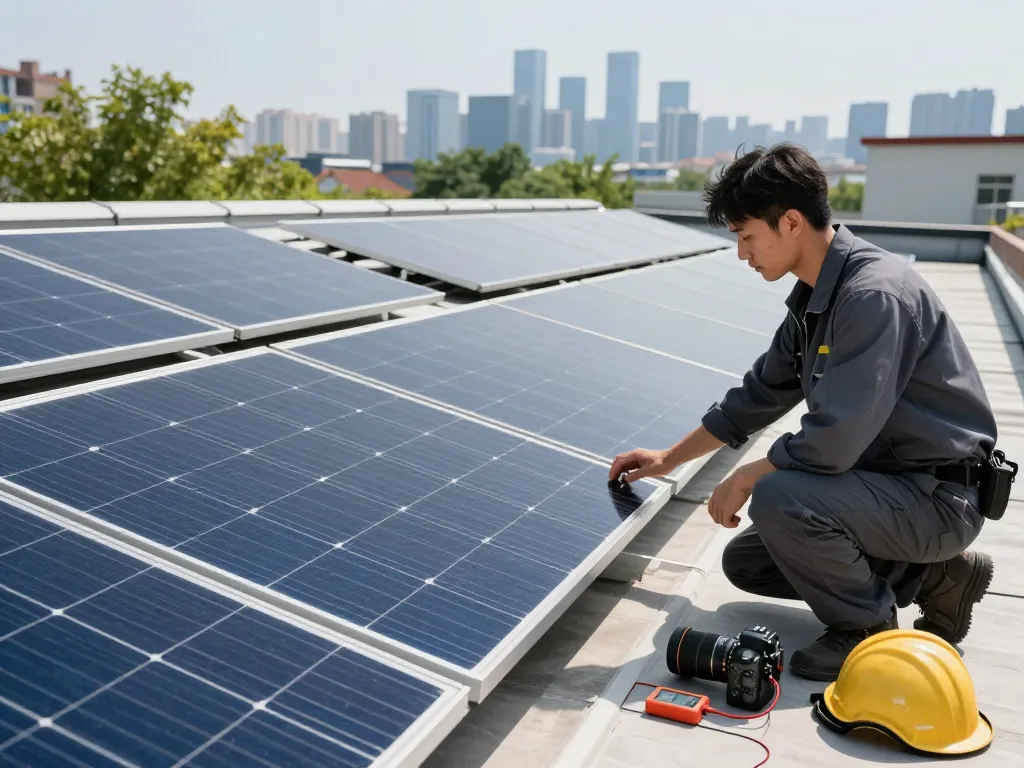
Performance metrics are also critical in identifying PID. Regular monitoring of energy output compared to expected production can reveal discrepancies indicative of PID effects. Solar installers should utilize tools to measure voltage and current output, ensuring that the panels are performing within specified parameters. Sudden drops in performance metrics often necessitate further examination and potential remediation.
Testing Techniques for Early Detection
Technological advancements have made early detection of PID possible through various testing techniques. For instance, electroluminescence imaging can visualize the internal conditions of solar cells, highlighting areas affected by PID. Additionally, infrared thermography can be employed to detect hotspots resulting from electrical imbalances. Utilizing these technologies can lead to timely interventions, ultimately preserving the integrity of the solar installations.
Mitigation Strategies for PID Resistance
Best Practices for Installation to Prevent PID
Preventing PID starts with adhering to best practices during the installation process. Ensuring proper grounding and wiring practices can mitigate the electrical factors that contribute to PID. Additionally, installers should be mindful of environmental considerations, such as avoiding installation in areas prone to high humidity unless specially designed materials are used.
Technological Solutions for Enhanced Resistance
Advancements in technology are creating robust solutions designed to enhance PID resistance in solar panels. Many leading manufacturers now offer modules specifically engineered to resist PID through innovative cell architectures, coatings, and encapsulation materials. Additionally, employing advanced inverters with features that regulate output voltage can further reduce the risk of PID.
Ongoing Maintenance and Monitoring Approaches
Establishing a regular maintenance schedule is vital for monitoring and preventing PID. This includes routine inspections of solar modules, ongoing performance analysis, and immediate responses to any detected deficiencies. Engaging with monitoring systems that provide real-time data on panel performance can help detect potential PID issues before they escalate.
The Future of PID Resistance in Solar Technology
Innovations in Solar Panel Design for 2026
As the solar industry evolves, innovations in panel design are expected to significantly enhance resistance to PID. Research is ongoing in developing materials and technologies that improve electrical stability within solar cells. Solar panels designed for the future will likely incorporate less susceptible materials, paving the way for applications in diverse environmental conditions without the risk of PID compromise.
Trends in Sustainable Energy Practices
As sustainability becomes a focal point in energy production, the methods for addressing PID are also evolving. Manufacturers are increasingly targeting eco-friendly practices in their production processes while designing modules that not only perform efficiently but also do so with minimal environmental impact. Sustainability in solar technology is no longer just about energy output; it encompasses the entire lifecycle of the product.
Expert Insights on Evolving Industry Standards
With the emergence of new technologies comes the need for updated industry standards that address PID and other performance-related challenges in solar modules. Experts foresee a trend toward stricter regulations that ensure manufacturers prioritize PID resistance in their product lines. Keeping abreast of these changes is essential for stakeholders across the solar energy spectrum to ensure compliance and capital enhancement.
What are the Long-Term Benefits of Addressing PID?
Addressing PID effectively leads to substantial long-term benefits, including improved energy output, reduced maintenance costs, and enhanced system longevity. Owners of solar installations that prioritize PID resistance can expect greater energy returns and a declining likelihood of performance-related issues over the lifespan of the panels. Investing in PID-resilient solutions ensures that the promise of solar energy remains viable and profitable.
FAQs about PID Resistance in Solar Panels
How Can I Prevent PID in My Solar Installation?
Preventing PID involves several key steps, including ensuring proper installation techniques, using high-quality materials, and integrating advanced technology, such as specialized inverters and PID-resistant solar panels. Regular inspections and monitoring are also crucial for early detection and mitigation of any PID risks.
What Tools are Recommended for PID Testing?
There are several effective tools for PID testing, including electroluminescence equipment, infrared cameras for thermal imaging, and multimeters for performance assessments. Utilizing these tools in conjunction with routine maintenance checks allows for the timely identification and resolution of PID issues.
What Are the Long-term Effects of PID on Energy Production?
The long-term effects of PID can be detrimental, leading to significant reductions in energy production, potential increases in maintenance needs, and eventual costly replacements of affected solar panels. Addressing PID proactively can help mitigate these effects and preserve the investment in solar technology.
Why is PID Resistance Crucial for Future Solar Projects?
As the demand for solar energy increases, ensuring the resilience of solar panels against PID will be essential for the success of future solar projects. PID resistance not only enhances efficiency but also contributes to the sustainability and viability of solar energy as a long-term resource. Without addressing PID, the integrity of solar systems may be compromised, endangering their potential as a reliable energy source.
How Do I Choose PID-resistant Solar Panels?
Choosing PID-resistant solar panels involves researching manufacturers known for innovative technologies and robust quality control measures. Look for products that specify their resistance to PID and come with warranties that reflect the manufacturer’s confidence in their technology. Engaging with knowledgeable installers can also help ensure you select the best modules for your specific environmental conditions.