
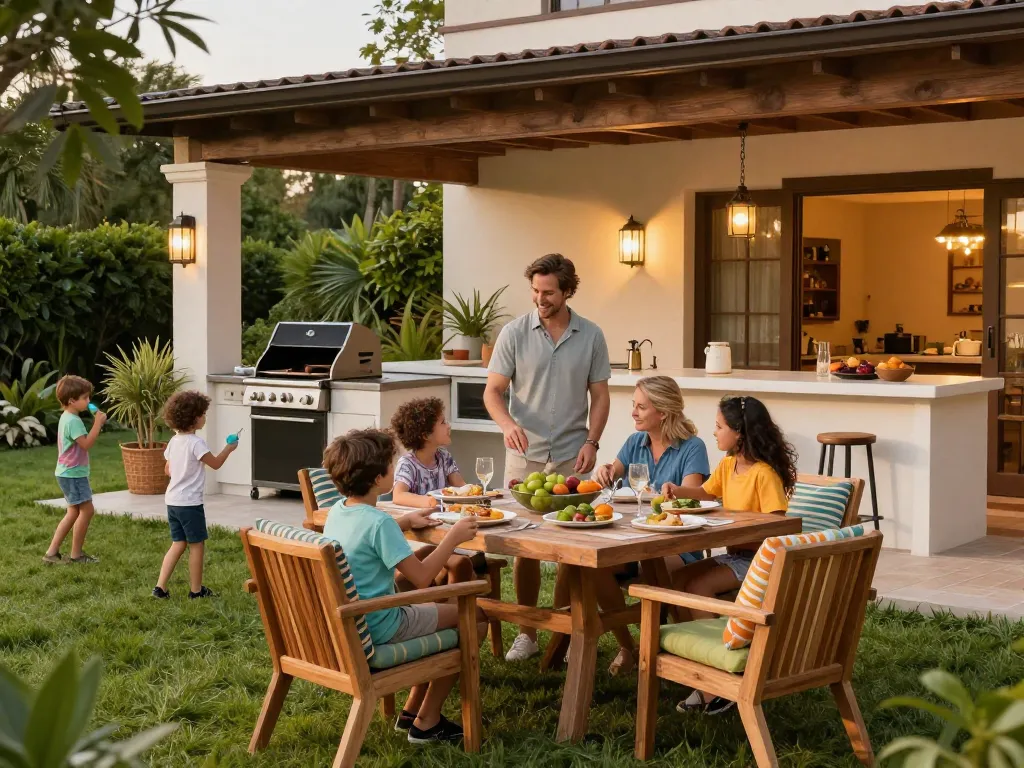
Understanding Outdoor Living Configurator Tools
As outdoor living spaces become integral to our homes, the demand for effective design tools has surged. An outdoor living configurator is a digital solution that allows homeowners and designers to visualize and customize their outdoor spaces effortlessly. These tools provide a platform to play with various layouts, materials, and furniture, thereby simplifying the design process. When exploring options, outdoor living configurator provides comprehensive insights into creating the perfect backyard oasis.
What is an Outdoor Living Configurator?
An outdoor living configurator is a software tool that enables users to design and plan outdoor spaces, including patios, gardens, and kitchens. Users can manipulate different elements—such as furniture, plants, and hardscapes—within a virtual environment, allowing for an interactive design experience. The configurator typically offers 3D visualization, which enhances the user’s ability to see how their ideas will come to life in real life.
Benefits of Using a Configurator for Your Outdoor Space
- Enhanced Visualization: 3D models help homeowners visualize their outdoor space before making significant investments.
- Customization: Users can personalize their designs based on their taste and functionality needs, from outdoor kitchens to cozy lounges.
- Time and Cost Efficient: These tools save time by providing a clear plan, potentially reducing costly mistakes associated with traditional design processes.
- Accessibility: Many configurators are available online for free or at a minimal cost, making them accessible to a wider audience.
How Configurator Tools Work: A Step-by-Step Guide
- Choose a Template: Start by selecting a template that closely matches your desired outdoor space.
- Design Your Layout: Use drag-and-drop features to arrange elements like furniture, fire pits, and pathways.
- Select Materials and Colors: Experiment with different materials and colors to suit your style.
- Visualize in 3D: Switch to a 3D view to see how your space looks from different angles.
- Save and Share: Save your design and share it with contractors or friends for feedback.
Key Features to Look for in an Outdoor Living Configurator
Design Flexibility and Customization Options
The best outdoor living configurators offer extensive design flexibility allowing users to customize everything from landscaping elements to hardscape features. Some tools even enable users to input specific dimensions, ensuring that each design reflects the actual space available. This commitment to personalization is critical for homeowners seeking a design that aligns precisely with their vision.
User-Friendly Interface and Experience
An intuitive interface is essential for ensuring that users of all experience levels can navigate the configurator easily. Look for tools that offer tutorials or guided tours, which can be particularly helpful for first-time users. Additionally, a responsive design ensures the configurator works seamlessly on various devices, including tablets and smartphones.
Integration with Other Design Tools and Apps
Configurators that allow integration with other design software can enhance the user experience significantly. For instance, some tools can sync directly with landscape design programs or CAD software, providing a more comprehensive toolkit for designing outdoor spaces. This interoperability can streamline the design process, making it easier to transition from planning to execution.
Common Challenges When Using Outdoor Living Configurators
Overcoming Design Limitations and Constraints
While outdoor living configurators provide numerous benefits, they may also come with certain limitations. Users might find that some configurators do not include specific elements or features they wish to incorporate. It’s essential for users to approach their designs with flexibility in mind, as adjustments may be necessary during the actual implementation phase.
Understanding Material and Cost Implications
Another challenge lies in the interpretation of materials and associated costs. While a configurator can help visualize the space, the costs of materials and labor can vary widely. Users should conduct thorough research on the materials they choose and consult with contractors to gain a realistic understanding of budget constraints.
Ensuring Realistic Visualization of Your Space
Some configurators may not provide a fully accurate representation of colors or textures, leading to discrepancies between the design and the final product. To counter this, users should seek out configurators known for rendering high-quality images and consider visiting suppliers to see samples of materials in person before making final decisions.
Best Practices for Designing Your Outdoor Living Space
Incorporating Functionality and Aesthetics
Designing an outdoor space requires a delicate balance between functionality and aesthetics. Users should think about how the space will be used—hosting gatherings, relaxing with family, or gardening—and ensure that their designs accommodate these activities while also being visually appealing.
Using Your Configurator to Plan Efficient Layouts
Maximizing the use of space can dramatically affect the usability of an outdoor area. Configurators often allow users to experiment with different layouts quickly. Considerations such as foot traffic flow, seating arrangements, and proximity to the house should influence the final design choices. Ensure that paths and seating areas are comfortably spaced to facilitate movement and accessibility.
Real-Life Case Studies: Successful Outdoor Designs
Several homeowners have successfully transformed their outdoor spaces using configurators. For instance, a family in California used an online tool to redesign their backyard, adding a fire pit and outdoor kitchen. By visualizing their project beforehand, they were able to select the perfect materials and layout that suited both their style and the landscape’s functionality. Such success stories underscore the effectiveness of configurators in real-world scenarios.
Future Trends in Outdoor Living Configurators (2026 and Beyond)
Emerging Technologies Shaping Outdoor Design
As technology continues to evolve, outdoor living configurators are likely to incorporate more advanced features, such as augmented reality (AR) and artificial intelligence (AI). AR can enable users to see their designs in real time within their actual backyard spaces, while AI could provide personalized recommendations based on user preferences and trends.
Sustainability and Eco-friendly Designs
With an increasing focus on sustainability, many configurators are beginning to include options for eco-friendly materials and designs that promote energy efficiency. Users are becoming more aware of their environmental impact, which will likely influence their design choices moving forward. This trend reflects a broader commitment to sustainable living practices.
Predictions for User Preferences in Outdoor Spaces
As lifestyles evolve, so too do the preferences for outdoor living spaces. There is a growing interest in multifunctional areas that cater to various activities, such as outdoor dining, relaxation, and gardening. Configurators that accommodate these changing needs will be in high demand as families seek to optimize their outdoor environments for all seasons and occasions.
What can I create with an outdoor living configurator?
Users can create a wide range of designs, including patios, gardens, outdoor kitchens, and recreational spaces. The flexibility of these tools allows for extensive customization tailored to individual preferences.
Are outdoor living configurators free to use?
Many outdoor living configurators are available for free, while others may charge a subscription fee for premium features. Users should evaluate their needs and explore the options available to find a tool that suits their budget.
How do outdoor living configurators enhance design accuracy?
By allowing users to visualize their designs in a 3D environment, configurators provide an accurate representation of how the final project will come together. This feature reduces the risk of errors that can arise from traditional design methods.
What are the most popular outdoor living features?
Popular features include outdoor kitchens, fire pits, water features, and comfortable seating areas. Users often prioritize these elements to enhance both functionality and enjoyment of their outdoor spaces.
Can I integrate my configurator designs with contractors?
Many outdoor living configurators allow users to export their designs in formats compatible with contractor software, facilitating seamless communication between designers and builders.