The Importance of Quality Paver Installation
When it comes to enhancing the aesthetics and functionality of your outdoor spaces, quality paver installation is paramount. Not only does it contribute to the overall appearance of your property, but it also plays a significant role in the durability and longevity of your hardscaping investments. Quality installation ensures that your driveways, patios, and walkways withstand the test of time, weather, and regular use. This is why hiring experienced paver contractors near me is a crucial first step in any outdoor project.
What Makes a Professional Paver Contractor?
A professional paver contractor possesses a unique blend of skills, experience, and knowledge that contributes to successful project outcomes. Key attributes include:
- Licensing and Insurance: A reliable contractor is licensed to operate and holds adequate insurance to cover any potential damage or accidents.
- Experience: Years in the industry often translate to a refined skill set and extensive knowledge of different paver materials and installation techniques.
- Portfolio of Past Projects: A good contractor should provide a portfolio showcasing previous work, reflecting their style and quality of craftsmanship.
- Customer Reviews and Testimonials: Online reviews and client testimonials can give insights into the contractor’s reliability, work ethic, and quality.
- Communication Skills: Effective communication is essential for understanding your needs and addressing any concerns throughout the project.
Benefits of Hiring Local Paver Contractors Near Me
Opting for local paver contractors offers distinct advantages that enhance your project experience:
- Local Knowledge: They understand regional climate conditions and soil types, which can influence the type of materials and installation methods best suited for your project.
- Accessibility: Local contractors are often more accessible for follow-up services, repairs, and maintenance needs.
- Community Reputation: They are likely to maintain a positive reputation within the community, which can be a good indicator of their reliability and quality of work.
- Cost-Effective: Local contractors may have lower travel costs, which can lead to more competitive pricing for customers.
Common Mistakes in DIY Paver Projects
While DIY projects can be rewarding, they come with risks, especially in paver installation. Common mistakes that can undermine your project include:
- Improper Base Preparation: Failing to create a solid base can result in shifting pavers and uneven surfaces.
- Incorrect Material Selection: Using incompatible materials can lead to issues with drainage and longevity.
- Neglecting Drainage Needs: Ensuring proper drainage is crucial to prevent damage and erosion around installed pavers.
- Inadequate Joint Filling: Neglecting to fill joints properly can lead to weed growth and shifting of pavers over time.
Choosing the Right Paver Materials
Choosing the right materials for your paver project can significantly affect both the appearance and durability of the installation. Consider the following attributes of various materials:
Comparing Concrete, Brick, and Natural Stone Pavers
Each type of paver material offers unique benefits and challenges:
- Concrete Pavers: Durable and cost-effective, concrete pavers come in various shapes and colors. They are ideal for those looking for versatility.
- Brick Pavers: Known for their classic look, brick pavers add warmth and charm to outdoor spaces. They are also long-lasting but may require more maintenance.
- Natural Stone Pavers: These offer distinctive beauty and unmatched durability but can be more expensive. Natural stone is perfect for high-end designs and unique outdoor aesthetics.
Understanding Paver Durability and Aesthetics
Durability is crucial to ensure your outdoor investments last for years. Factors that affect durability include:
- Material Quality: Higher-quality materials will typically withstand wear, weather, and time better than cheaper alternatives.
- Installation Technique: Proper installation ensures that pavers remain stable and that joints are sealed correctly to prevent shifting and settling.
- Maintenance Practices: Regular maintenance, such as sealing and cleaning, can extend the life of your pavers significantly.
Cost Considerations for Paver Choices
Understanding the cost of various paver materials helps in making informed decisions. Key considerations include:
- Material Costs: The price per square foot varies significantly between materials, impacting overall project costs.
- Installation Costs: Hiring professionals for installation adds to the total cost but often increases quality and longevity.
- Long-Term Value: Investing in higher-quality materials may have a higher upfront cost but can lead to savings over time due to reduced repairs and maintenance.
Designing Your Outdoor Space with Pavers
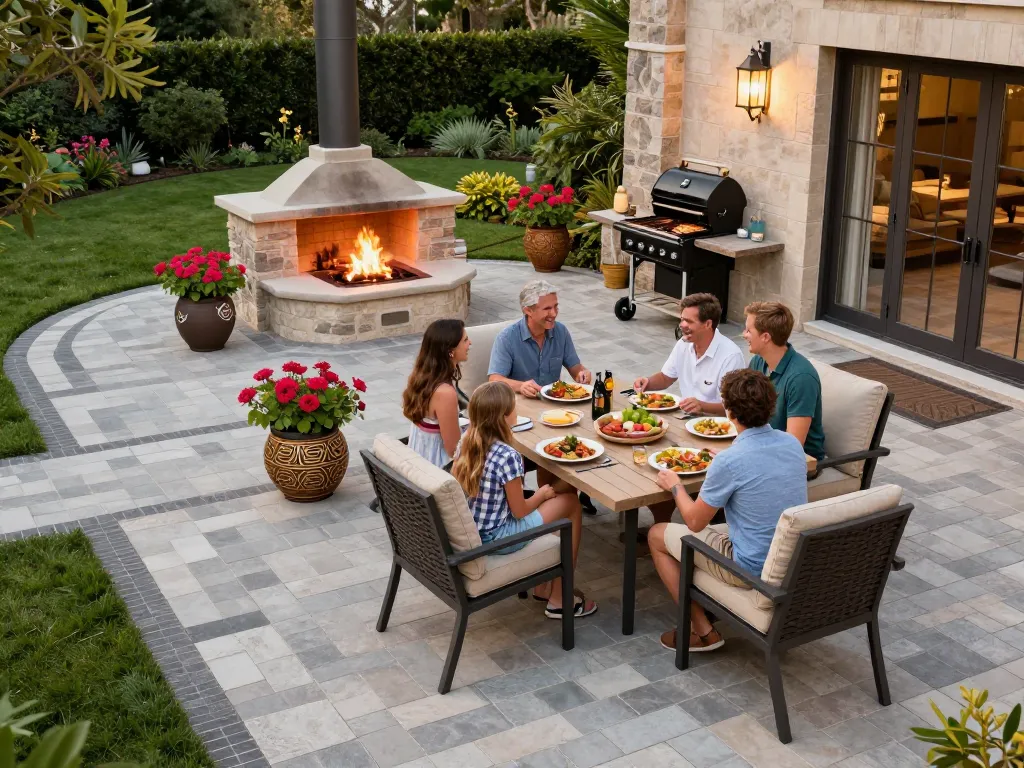
Effectively designing your outdoor space with pavers can transform it into a luxurious environment suitable for relaxation and entertainment. Consider these design elements:
Creating Cozy Patios and Stylish Walkways
When designing patios and walkways, focus on:
- Flow: Ensure that pathways connect different areas of your yard seamlessly, promoting ease of movement.
- Comfort: Utilize soft textures and colors that blend with your landscaping to create inviting spaces.
- Functionality: Define specific uses for areas, such as dining or lounging, and choose materials that support those functions.
Incorporating Fire Pits and Seating Walls
Fire pits and seating walls enhance the usability and ambiance of outdoor spaces. Consider:
- Placement: Position fire pits in areas that promote gathering while ensuring safety and convenience.
- Design Coordination: Match the materials and colors of seating walls with existing paver designs for a cohesive look.
- Comfort Features: Include aspects like built-in lighting and cushions to enhance the comfort and usability of these spaces.
Landscaping Tips to Complement Paver Designs
Integrate landscaping with paver designs for a cohesive outdoor aesthetic by:
- Choosing the Right Plants: Select plants that thrive in your local climate and complement your paver colors and textures.
- Layering Textures: Use a mixture of plant heights, colors, and textures to add depth and interest to your hardscapes.
- Creating Focal Points: Position striking plants or garden sculptures near paver installations to draw attention and enhance visual appeal.
Maintaining Your Paver Installations
Regular maintenance is vital to prolonging the life and appearance of your paver installations. Key maintenance tasks include:
Essential Tips for Paver Care
To keep your pavers looking their best:
- Regular Cleaning: Sweep and wash your pavers regularly to remove dirt, debris, and stains. A pressure washer can be effective but should be used carefully to prevent damage.
- Joint Restoration: Refill joints with polymeric sand as needed to prevent weed growth and shifting.
- Sealing Pavers: Applying a sealant can protect pavers from stains and moisture damage, enhancing their longevity and appearance.
Paver Restoration Techniques for Longevity
Over time, even the best installations may require restoration. Effective restoration techniques include:
- Resettling Pavers: If pavers have shifted, carefully lifting them and re-establishing the base can restore functionality and appearance.
- Refilling Joints: Address the filling of joints as they erode over time; this can prevent shifting and enhance the overall look of the installation.
- Color Restoration: If colors fade, consider using a stain or color-enhancing sealant to rejuvenate the paver surface.
Seasonal Maintenance: Preparing for Winter in Illinois
In Illinois, winter can be particularly tough on outdoor hardscapes. Prepare for cold weather by:
- Clearing Debris: Remove leaves, branches, and snow from your pavers to prevent staining and mold growth.
- Avoiding De-icing Chemicals: Opt for sand instead of de-icing salt, as chemicals can deteriorate paver surfaces over time.
- Inspecting for Damage: Before winter, inspect for any cracks or damage that could worsen during freezing temperatures.
Future Trends in Paver Design (2026 and Beyond)
Staying ahead of design trends can keep your outdoor space modern and appealing. Upcoming trends include:
Innovative Paver Styles and Technologies
New technologies are emerging in hardscape design that promotes functionality and aesthetics:
- Permeable Pavers: These allow for better drainage and are essential in sustainable landscaping, helping manage stormwater runoff.
- 3D Printing: Advancements in 3D printing may allow for customized paver designs tailored to individual preferences.
- Integrated Lighting: Pavers with built-in lighting options enhance nighttime usability and aesthetics.
Sustainable Materials in Hardscaping
The move towards sustainability is gaining traction in paver design. Key sustainable practices include:
- Recycled Materials: Utilizing pavers made from recycled materials reduces environmental impact and often provides unique aesthetics.
- Locally Sourced Products: Choosing locally sourced materials minimizes transportation emissions and supports local economies.
- Low-VOC Products: Selecting paver materials that use fewer volatile organic compounds contributes positively to air quality and environmental health.
Expert Insights on Outdoor Living Trends
As outdoor living spaces evolve, consider these expert insights:
- Outdoor Kitchens: The demand for outdoor kitchens is on the rise, promoting culinary experiences in open-air environments.
- Multi-Functional Spaces: Homeowners are increasingly opting for spaces that accommodate various activities, from cooking to entertaining.
- Smart Technology Integration: Incorporating smart technologies for lighting and heating can enhance the usability of outdoor spaces.
What Questions Should You Ask Your Paver Contractor?
When consulting with a contractor, be sure to ask:
- What types of paver materials do you recommend based on my needs?
- Can you provide references or a portfolio of past projects?
- What is your warranty policy on materials and workmanship?
- How do you handle project timelines and unexpected issues?
How to Request an Accurate Paver Installation Quote?
To obtain a precise quote, consider these steps:
- Provide detailed measurements and specifications of the area you want to transform.
- Discuss your design preferences, including materials and style.
- Ask for a breakdown of costs, including materials, labor, and additional features.
- Request timelines for project completion and payment schedules.
What Are the Signs That Your Paver Needs Repair?
Watch for these indicators that may signal the need for repairs:
- Uneven Surfaces: Pavers that have settled or shifted can create tripping hazards.
- Cracks: Visible cracks in pavers may indicate structural issues or damage.
- Joint Erosion: Loss of joint material can lead to weed growth and further shifting of pavers.
How Can Pavers Increase Your Home’s Value?
Investing in quality paver installations can enhance your property value by:
- Improving curb appeal and first impressions.
- Creating functional outdoor spaces that attract potential buyers.
- Offering durability that reduces future maintenance costs.
What Are the Most Popular Paver Colors and Patterns?
Popular colors and patterns include:
- Neutral Tones: Colors like beige, gray, and taupe create a timeless look and blend well with various landscapes.
- Bold Colors: Rich shades such as reds and blues can offer striking contrasts against greenery.
- Varied Patterns: Traditional herringbone, circular, and basket weave patterns provide visual interest and unique designs.
How to Plan Your Paver Project Timeline?
Planning your project timeline involves several considerations:
- Determining the best time of year for installation based on weather conditions.
- Allocating time for design discussions, material selection, and approval processes.
- Setting aside time for project completion, including potential delays.