
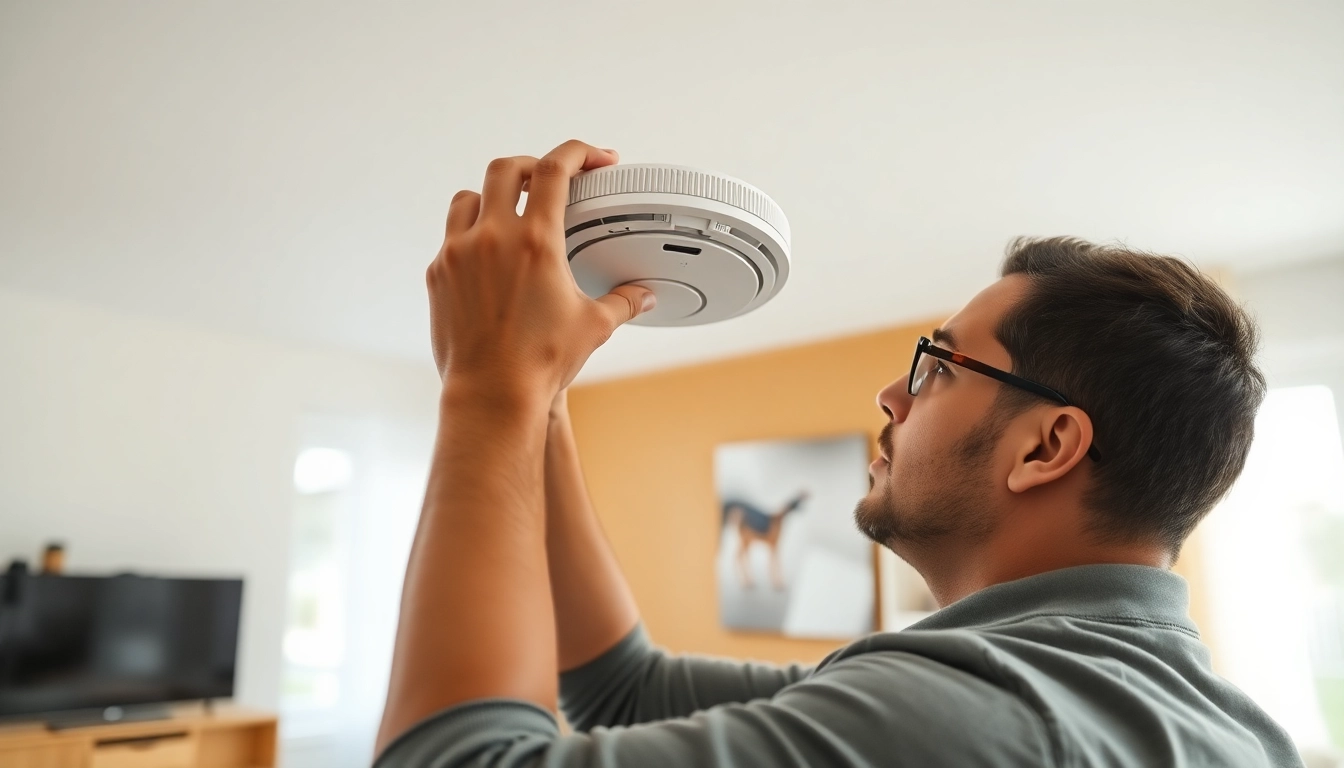
Understanding the Importance of Smoke Detector Battery
Why Your Smoke Detector Battery Matters
When it comes to home safety, smoke detectors play a crucial role in detecting fires early and signaling danger. However, their functionality largely depends on the smoke detector battery powering them. A properly functioning battery ensures that the smoke detector can alarm you when it needs to most, potentially saving lives and property.
Common Risks of Neglecting Your Smoke Detector Battery
Neglecting your smoke detector battery can have severe consequences. Inadequate power can lead to false alarms or, worse, failure to sound during an actual fire. According to fire safety experts, a substantial percentage of home fire deaths occur in homes without working smoke detectors. This stark reality underscores the need for consistent battery maintenance and monitoring.
Identifying Smoke Detector Battery Types
Smoke detectors commonly use two types of batteries: 9-volt batteries and AA batteries. Knowing which type your detector uses is vital for maintenance. Additionally, some smoke detectors are equipped with a sealed lithium battery designed to last the life of the unit, usually around 10 years. Understanding these types can help you stay proactive about their upkeep.
Choosing the Right Smoke Detector Battery
Different Types of Smoke Detector Batteries
Choosing the correct battery for your smoke detector is fundamental. The most common types are:
- Alkaline Batteries: Widely available and cost-effective, these batteries are suitable for many standard smoke detectors.
- Lithium Batteries: Known for their longevity, they often last longer than alkaline batteries and are commonly found in sealed units.
- Rechargeable Batteries: While environmentally friendly, they may not always provide reliable power over extended periods if they’re not adequately maintained.
How to Select the Best Smoke Detector Battery for Your Needs
When selecting a battery, consider durability, safety, and your smoke detector’s compatibility. Opting for lithium batteries for sealed units can provide peace of mind through their extended lifespan. Alternatively, regular maintenance and timely replacements of alkaline or rechargeable batteries ensure that your devices remain functional throughout their service life.
Pros and Cons of Rechargeable vs. Disposable Batteries
Both rechargeable and disposable batteries have their advantages and disadvantages:
- Rechargeable Batteries:
- Pros: Environmentally friendly, cost-effective over time, can be reused.
- Cons: Requires regular charging and may have a shorter lifespan if not maintained.
- Disposable Batteries:
- Pros: Easily replaceable, reliable power, no maintenance required.
- Cons: Waste produced, needs frequent replacement.
Installation Guidelines for Smoke Detector Battery
Step-by-Step Installation Instructions
Correct installation of your smoke detector battery is essential. Here’s a simple guide:
- Turn off the smoke detector by pressing the test button.
- Remove the battery compartment cover.
- Insert the new battery, ensuring the positive and negative ends are aligned correctly.
- Replace the battery cover and turn the detector back on.
- Test the smoke detector to confirm proper functionality.
Common Mistakes During Installation
Even a straightforward installation can lead to errors. Common mistakes include:
- Wrong battery orientation, which can render the detector non-functional.
- Forgetting to test the device after installation.
- Ignoring the manufacturer’s instructions, which can lead to inadequate performance.
Safety Precautions to Consider
When working with smoke detectors, always prioritize safety:
- Ensure the area is well-lit to avoid accidents while working.
- Use a sturdy ladder if installing on a high ceiling.
- Keep flammable materials away from the vicinity.
Maintenance Tips for Your Smoke Detector Battery
How Often to Check Your Smoke Detector Battery
Regular checks are integral to maintaining smoke detector functionality. Experts recommend checking your smoke detector battery at least once a month. Additionally, replacing the battery at least once annually ensures optimal operation.
Best Practices for Maintaining Your Smoke Detector Battery
To prolong the lifespan of your smoke detector battery, consider the following best practices:
- Keep the smoke detector clean by dusting it regularly.
- Replace batteries immediately after hearing the low-battery beep.
- Store spare batteries in a cool, dry place to optimize their lifespan.
Signs Your Smoke Detector Battery Needs Replacement
There are several indicators that your smoke detector battery may need replacing:
- The smoke detector emits intermittent beeping.
- The unit fails to respond to the test button.
- It has been over a year since the last battery change.
FAQs About Smoke Detector Battery
What should I do if my smoke detector battery is beeping?
If your smoke detector battery beeps intermittently, it likely indicates a low battery. Replace the battery immediately to ensure safety.
How often should I replace my smoke detector battery?
It’s recommended to replace your smoke detector battery at least once a year, or sooner if the unit beeps indicating low power.
Can I use any battery in my smoke detector?
No, it’s vital to use the specific battery type recommended by the smoke detector manufacturer to ensure proper functionality.
What type of battery is best for smoke detectors?
Lithium batteries are typically the best for smoke detectors as they last longer compared to alkaline batteries and require less frequent replacement.
Are hardwired smoke detectors better than those with batteries?
Hardwired smoke detectors generally offer continuous power and won’t fail due to battery depletion, but battery-operated units can be easier to install.