
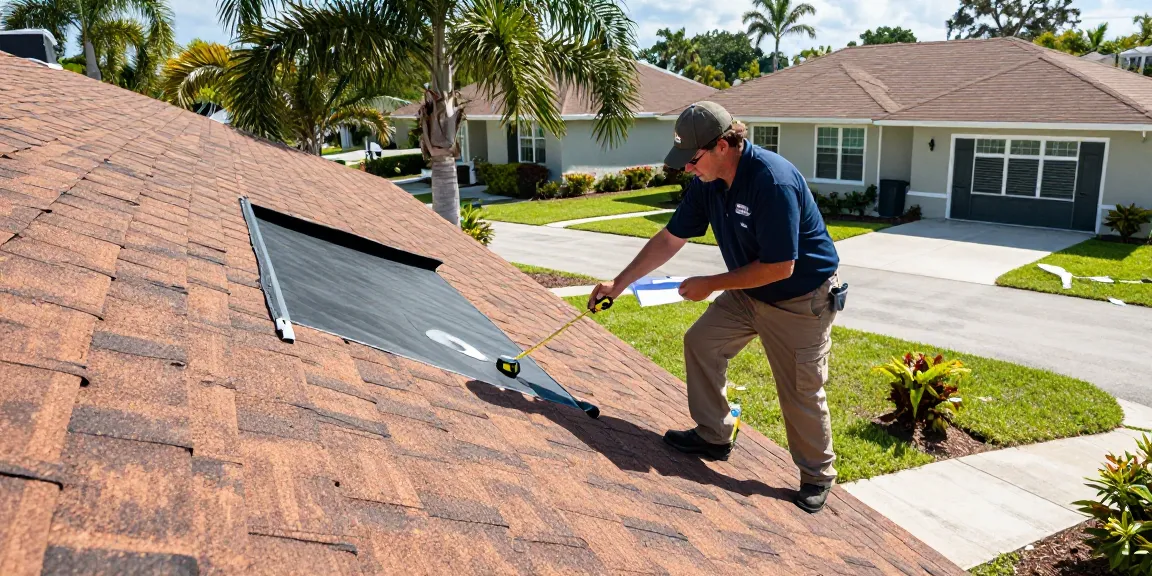
Understanding Wind Mitigation in Tampa
Wind mitigation has emerged as a crucial service for homeowners in Tampa, especially given the region’s vulnerability to hurricanes and tropical storms. A wind mitigation inspection assesses how well a home is built to withstand high winds, which can lead to significant insurance savings. In Tampa, this can be a lifesaver for homeowners facing skyrocketing premiums. By understanding the intricacies of wind mitigation, homeowners can make informed decisions that not only protect their property but also save them money in the long run. When exploring options, https://avatarroofing.com/wind-mitigation-service-in-tampa-fl/ provides comprehensive insights into what you need to know.
What is Wind Mitigation?
Wind mitigation refers to the practices and inspections aimed at enhancing a home’s resilience against high-wind events such as hurricanes or severe storms. In Florida, where wind damage can be catastrophic, it becomes essential for homeowners to ensure that their properties can survive high winds. A wind mitigation inspection evaluates various features of the home, including the structure of the roof, windows, and doors, to determine their ability to resist wind-related damage.
Importance of Wind Mitigation in Florida
Wind mitigation plays a vital role in Florida, a state prone to hurricanes. Specific building codes have been established, particularly since Hurricane Andrew, mandating that homes are built to higher standards to resist wind damage. These codes offer homeowners the opportunity to receive significant discounts on their homeowners’ insurance premiums. In most cases, the lower the risk of wind damage, the greater the financial savings, making wind mitigation not just a protective measure but a sound financial strategy as well.
Key Features of Wind Mitigation Inspection
- Roof Covering: Type of roofing material and installation quality.
- Roof Deck Attachment: How securely the roof deck is attached to the framing.
- Roof-to-Wall Connection: Analysis of connections that bind the roof structure to the walls.
- Opening Protection: Features such as impact-rated windows and hurricane shutters.
- Roof Shape: The design of the roof, with hip roofs performing better than gable roofs.
The Wind Mitigation Inspection Process
Steps Involved in a Wind Mitigation Inspection
The wind mitigation inspection process typically takes about an hour. A licensed inspector will evaluate several aspects of the home, including the roof, attic, and other structural features. Homeowners can expect the inspection to cover the following steps:
- Inspection of the roof covering and its installation.
- Assessment of the roof deck attachment method.
- Evaluation of the roof-to-wall connection.
- Checking for opening protection features on windows and doors.
- Completion of the OIR form for insurance purposes.
What Inspectors Look For in Tampa
In Tampa, inspectors are particularly focused on aspects that may influence the home’s ability to withstand winds. The type and age of the roof covering, the method of attaching the roof deck, and the use of modern construction techniques are all critical factors. Inspectors will also examine the presence of hurricane straps, clips, and other reinforcing features that enhance the home’s resilience.
Common Challenges and Misconceptions
Many homeowners may be deterred from pursuing wind mitigation due to misconceptions about the complexity or cost of inspections. Some believe that their homes are too old to qualify for any benefits, while others underestimate the potential savings on insurance premiums. It’s essential to address these misunderstandings. Wind mitigation can benefit a wide range of homes, including older ones that have been upgraded to meet current standards.
Wind Mitigation After a Roof Replacement
Benefits of Timely Wind Mitigation Inspections
After replacing a roof, homeowners should schedule a wind mitigation inspection promptly. New roofs are typically designed to meet the latest Florida Building Code standards, which can lead to better insurance credits. By ensuring the new roof is documented correctly, homeowners can significantly reduce their premiums, often realizing savings quickly.
How New Roofs Qualify for Better Insurance Credits
A new roof that is built to current codes will almost always qualify for more substantial wind mitigation credits. Factors such as the correct nail pattern, underlayment, and installation methods are crucial in determining the score on the OIR form. Homeowners who invest in quality roofing should capitalize on wind mitigation inspections to maximize their insurance savings.
Case Studies: Savings from Wind Mitigation
There are numerous case studies illustrating the significant savings achieved through wind mitigation. For instance, some Tampa homeowners have reported insurance premium reductions between $500 to $1,500 per year after having qualified wind mitigation inspections post-roof replacement. Over time, this can add up to substantial savings, effectively covering a portion of the roof replacement cost.
Financial Impact of Wind Mitigation
Potential Savings for Tampa Homeowners
Understanding the financial implications of wind mitigation is crucial for homeowners facing increasing insurance costs. Homeowners in Tampa may be eligible for considerable discounts, especially if their homes have been built or updated according to recent standards. On average, those with roofs meeting these benchmarks can see discounts that reduce their wind premium by as much as 40 to 60 percent.
Calculating Your Possible Discounts
To determine potential savings, homeowners should consult both their insurance provider and a licensed wind mitigation inspector. The combination of specific home features and the insurance company’s policies will dictate the exact discounts available. It’s advisable to get an inspection done before renewing the policy to ensure all credits are applied in a timely manner.
Cost-Benefit Analysis of Wind Mitigation Inspections
When considering the relatively low cost of a wind mitigation inspection versus the potential annual savings on insurance, the decision to pursue this service becomes clear. Many homeowners recoup their inspection fee within the first month or two of reduced premiums. In the long run, investing in wind mitigation inspections is a wise financial decision for Tampa homeowners.
Future Trends in Wind Mitigation for 2026
Upcoming Legislative Changes and Their Impact
As Florida continues to face the impacts of climate change, upcoming legislative measures may further enhance wind mitigation requirements and incentives. Homeowners should stay informed about changes that might affect building codes and insurance discounts. Understanding these trends can aid in making proactive home improvement choices.
Adopting Advanced Wind Mitigation Technologies
With advancements in construction materials and technologies, homeowners have access to improved methods for reinforcing their homes against wind damage. Technologies like impact-resistant materials and advanced structural reinforcements will become more prevalent, allowing homeowners to enhance their wind resistance and further reduce insurance costs.
Expert Insights on Wind Mitigation for Homeowners
Industry experts recommend that homeowners regularly assess their properties and keep abreast of evolving standards and technologies. Engaging with licensed professionals during roofing and renovations ensures compliance with wind mitigation protocols, which can result in lower insurance premiums and enhanced home safety.
How Can Wind Mitigation Lower My Home Insurance Rates?
Wind mitigation directly lowers home insurance rates by demonstrating that a home has been built or improved to withstand high winds. Insurance companies provide discounts to homeowners who present a valid wind mitigation report, effectively reducing their risk exposure. This proactive approach makes wind mitigation a financially sound investment.
What Should I Expect During a Wind Mitigation Inspection?
During a wind mitigation inspection, homeowners can expect a thorough evaluation of their property, particularly the roof and structural connections. The inspector will assess various factors, generate the necessary documentation, and provide the homeowner with an OIR form that can be leveraged for insurance credits.
How Often Should I Get a Wind Mitigation Inspection?
It is recommended that homeowners consider scheduling a wind mitigation inspection every five years, or after significant renovations or roof replacements. Insurance companies may also require updates on the wind mitigation status to maintain discounts, making it crucial to stay current.
Are There Any Financial Grants for Wind Mitigation Improvements?
Some local and state programs may offer financial assistance or grants for homeowners looking to improve wind mitigation features. Exploring available resources can provide financial support for enhancements that ultimately lower insurance premiums.
How Do I Choose the Right Wind Mitigation Service?
When selecting a wind mitigation service, homeowners should look for licensed and experienced professionals who are familiar with the specific needs of Tampa properties. Reading reviews, checking references, and verifying credentials will help ensure that you receive quality service and accurate reporting.